 Visit Mexico City Guide
 from $32
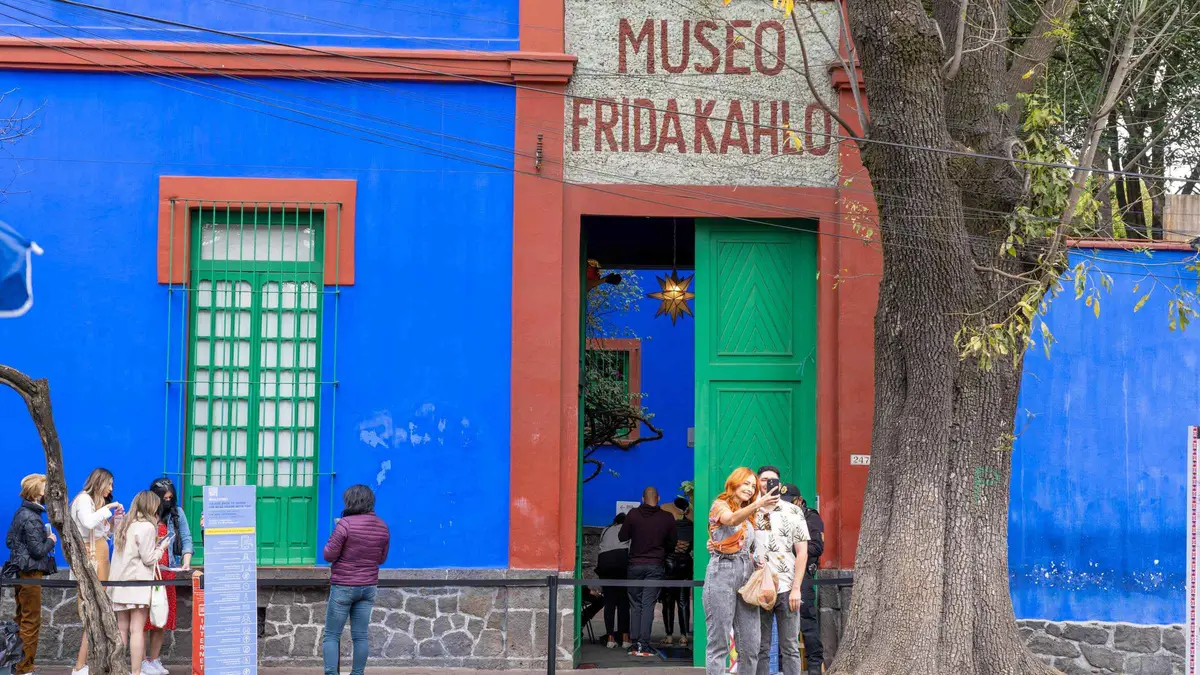
Mexico City: Frida Kahlo Museum or Casa Kahlo Entry Ticket
Timed entry to the Casa Azul with a digital guide — the museum sells no tickets at the door, so this is a slot as much as a ticket.
Check AvailabilityTwo prices decide what it costs to visit Mexico City in 2026: since 1 January a non-resident foreign visitor pays MX$210 at Teotihuacán, Anthropology and Chapultepec Castle, twice what a Mexican resident pays, and the free Sunday everyone writes about is theirs, not yours. This guide prints the gate price, the platform price and the date each one was read.
Four days is the working minimum for a first visit to Mexico City: one for the Centro Histórico, one for Chapultepec and the Anthropology Museum, one for Coyoacán and Xochimilco, and one for Teotihuacán. Museum prices were read on the venues' own sites on 30 August 2026 and every price below is what a non-resident foreign visitor pays.
Key takeaways
The five hubs of this guide, each with the three facts that decide it.
The sights ranked by what they actually give you for the hours they take, not by how often they appear on a list.
Gate price beside platform price for every ticket that matters, with the rule about who pays which.
Which part of a very large city you actually spend your days in, and what each one is good for after dark.
What is worth leaving the city for, and how long the return trip really takes on a weekday morning.
Altitude, rain, safety, Sunday and Monday closures, and what a day here costs.
The city is twenty million people across a basin sixty kilometres wide, so the plan is one district a day, not a list of sights. These six are the ones a first visit uses; the Metro fare between any two is MX$5 and the ride is 25 to 40 minutes.
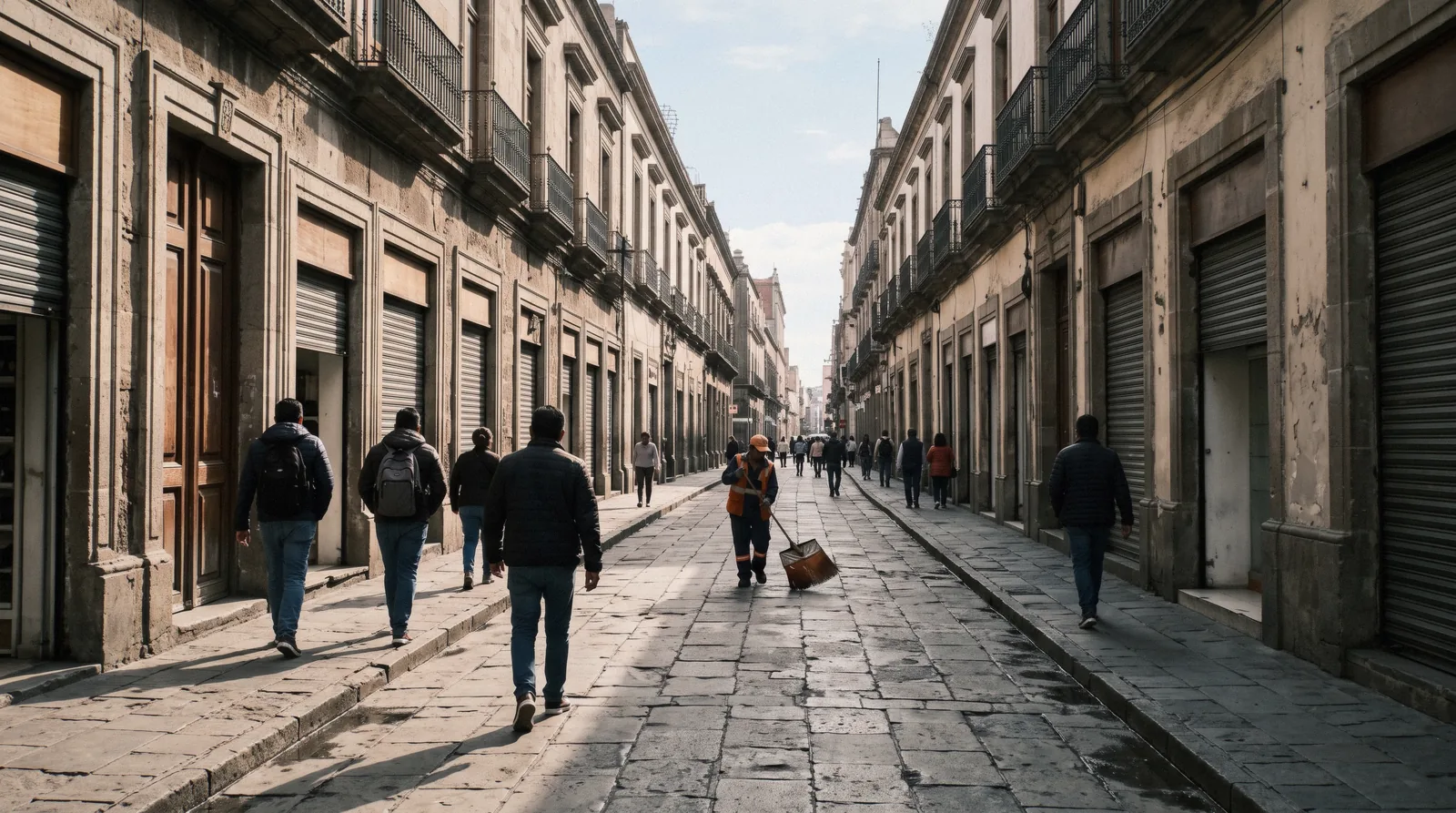
The Zócalo, the cathedral, the Templo Mayor, the Palacio Nacional murals, Bellas Artes and the Torre Latinoamericana inside a walkable dozen blocks. Busiest by day, quiet after nine.
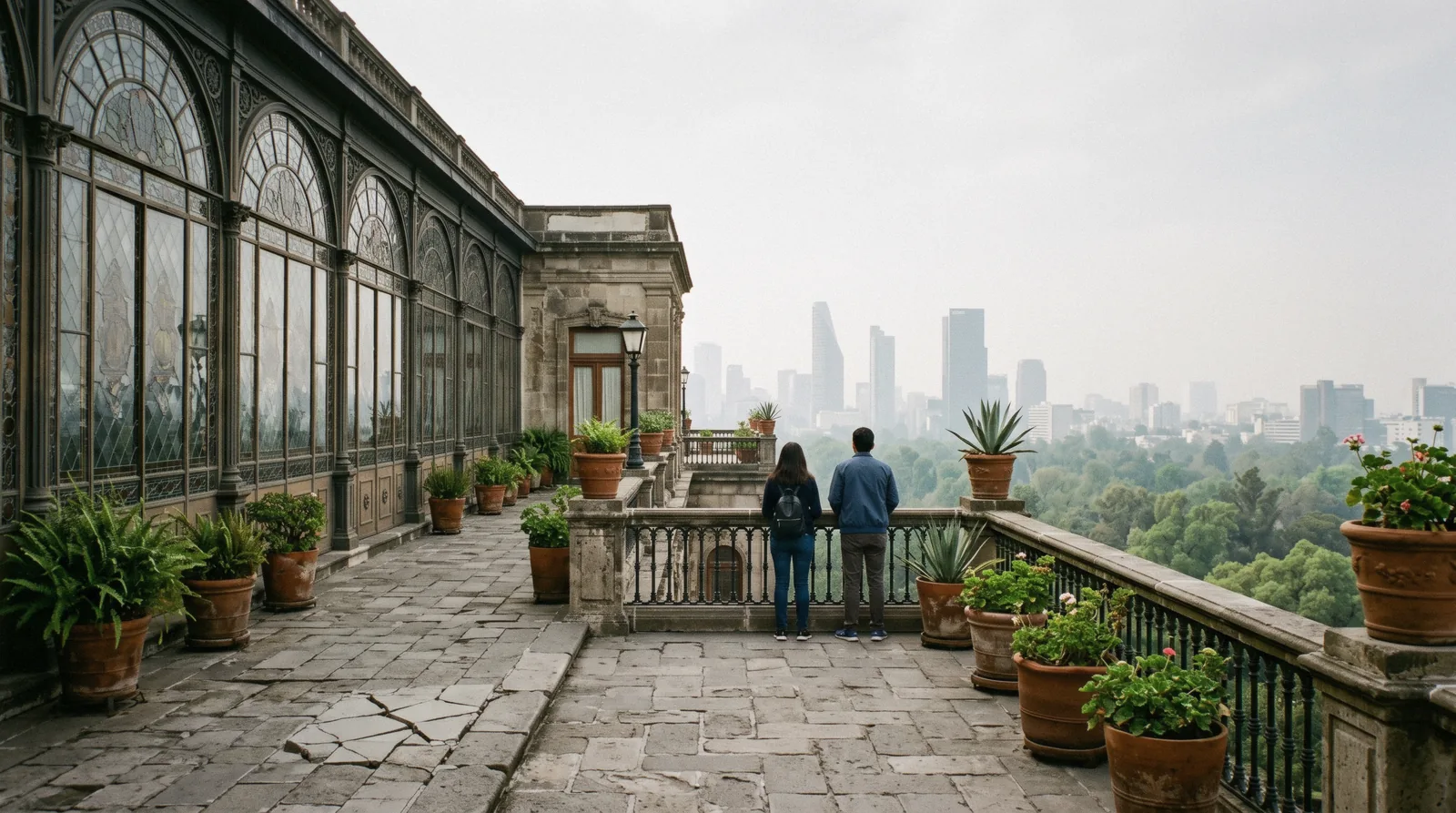
The park that holds the National Museum of Anthropology and Chapultepec Castle, both MX$210, both closed on Monday. The museum alone is three hours.
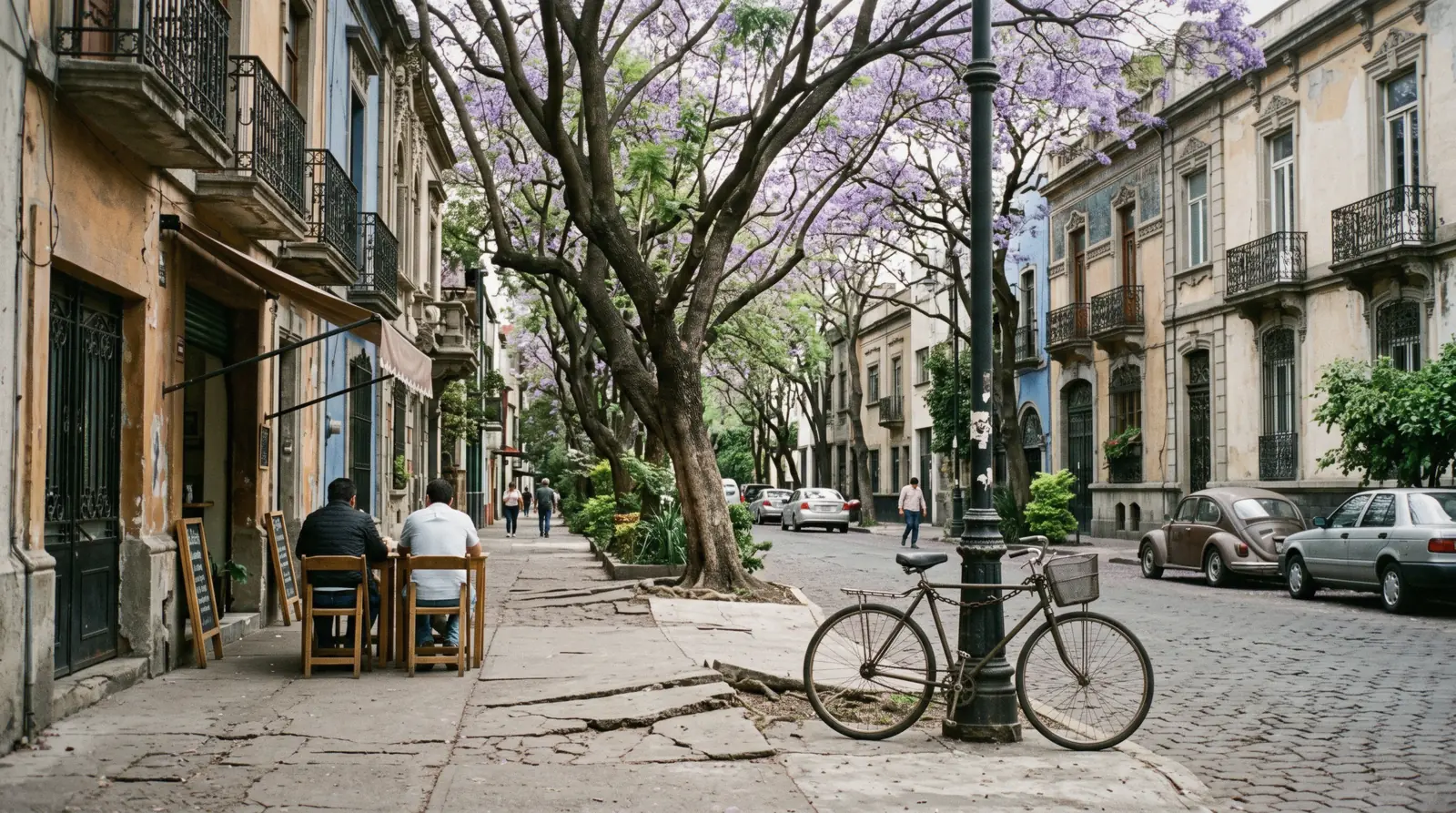
No headline sight, which is the point: this is where you sleep and eat between the days spent elsewhere. Roma is denser and more central, Condesa greener and quieter.
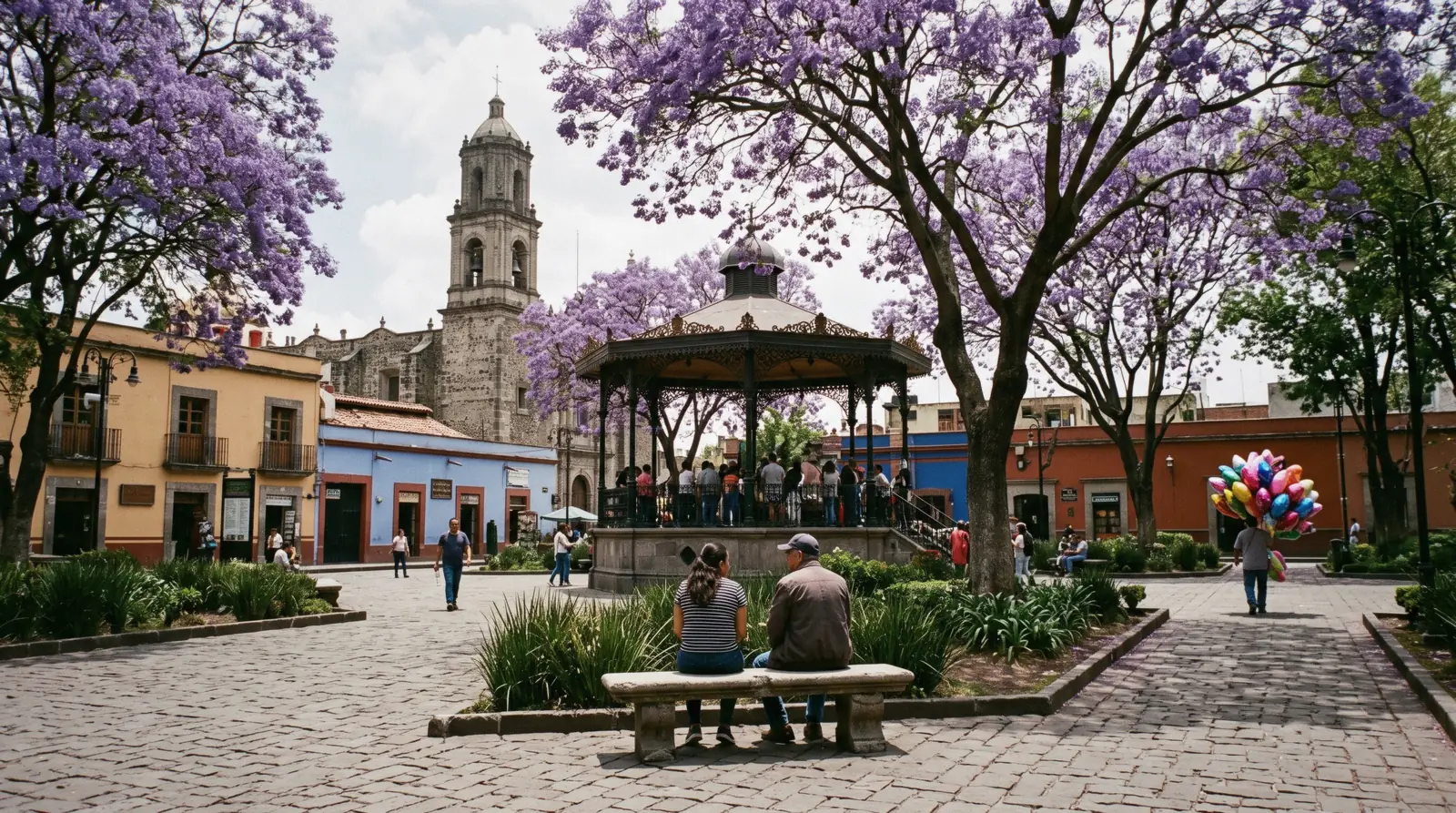
A colonial village centre 12 km south of the Zócalo: the Casa Azul, the market and the streets between them. Half a day, and the one place that needs a ticket booked before you set out.
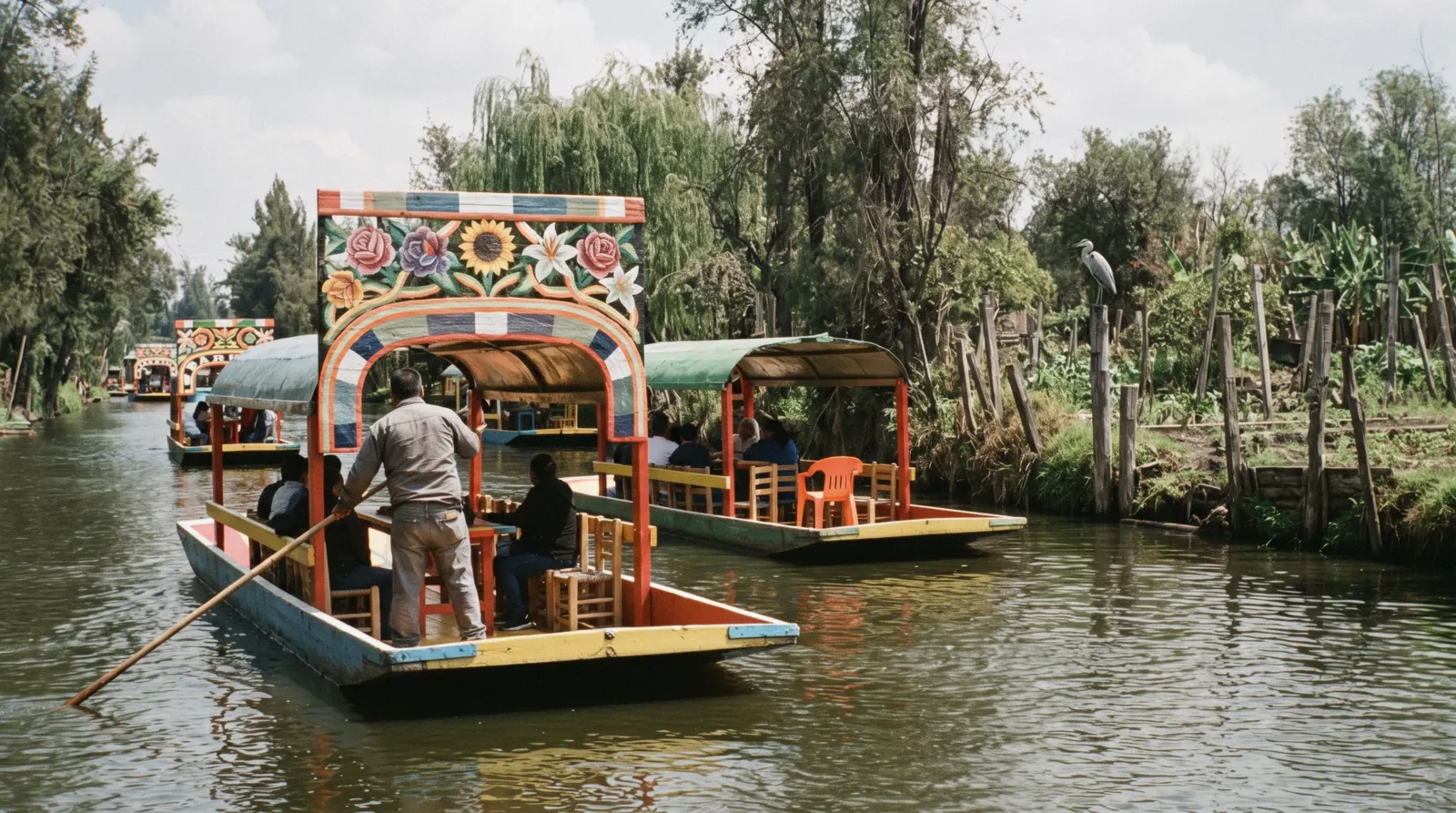
The canals and the painted trajineras, MX$750 an hour for the whole boat at every authorised pier. No ticket, no booking: walk to a pier, agree the hours, pay the boat.
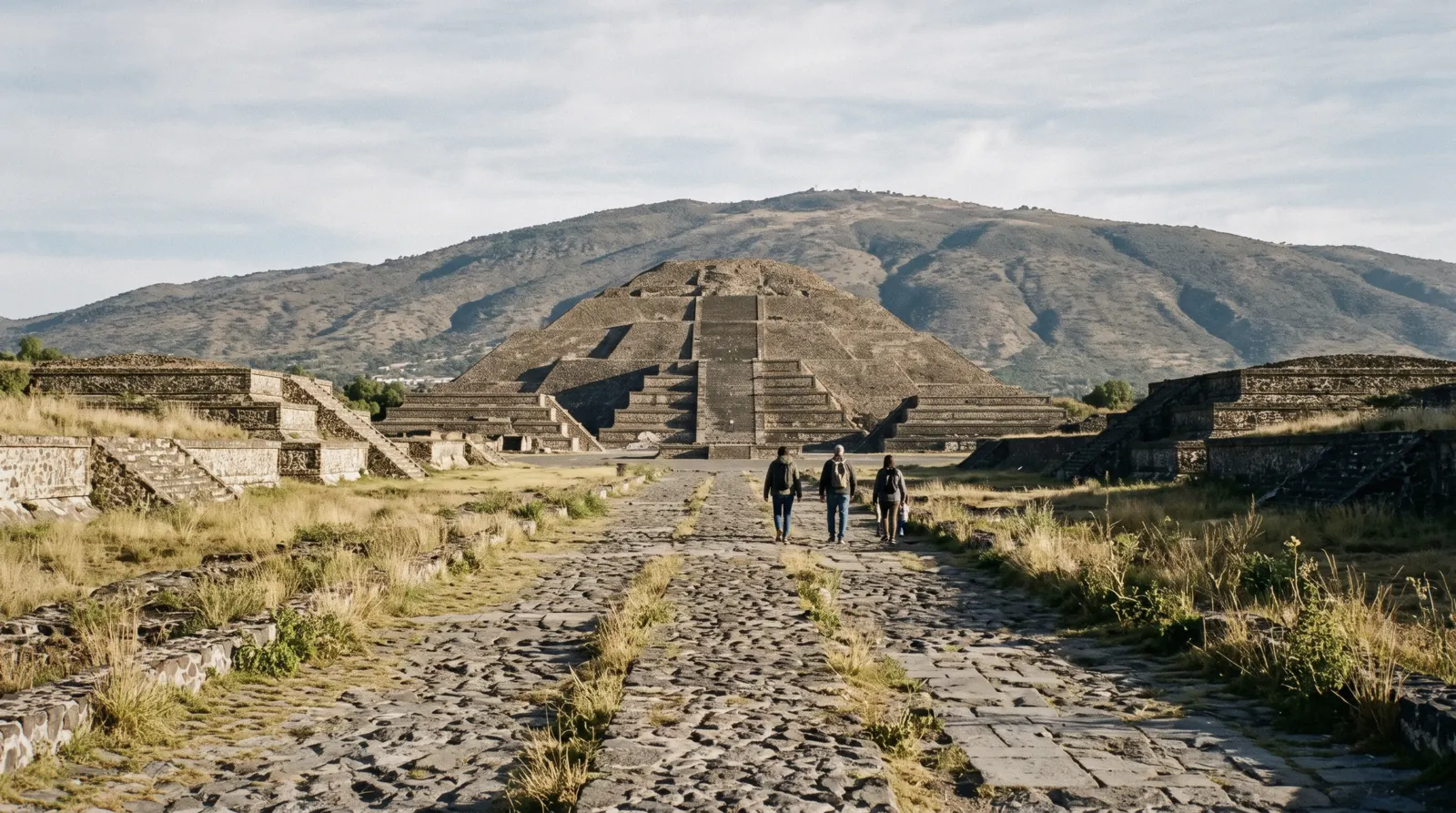
An hour out by bus, MX$210 for a foreign visitor, and open every day of the year, which makes it the answer to the Monday the museums close. Two kilometres of unshaded walking at 2,300 m.
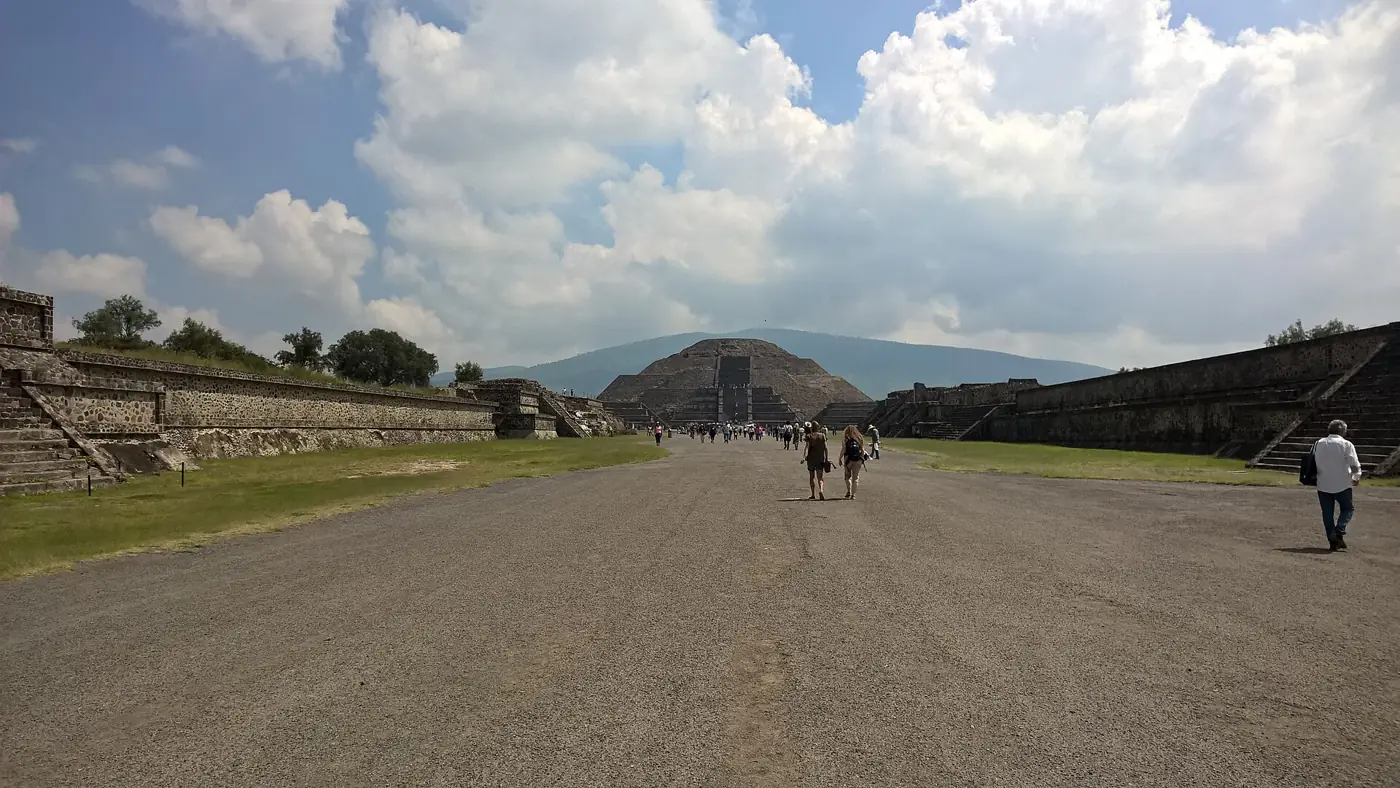
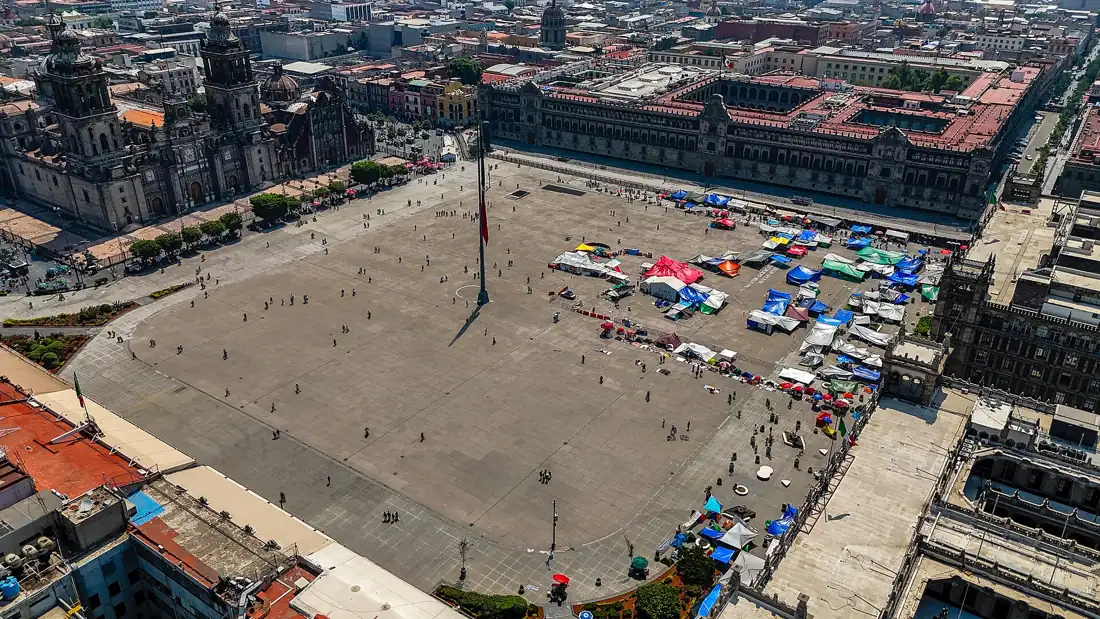
In the order a first visit takes them, with the reason each one earns its half day. Prices are the foreign-visitor gate price, read on the venues' own sites on 30 August 2026.
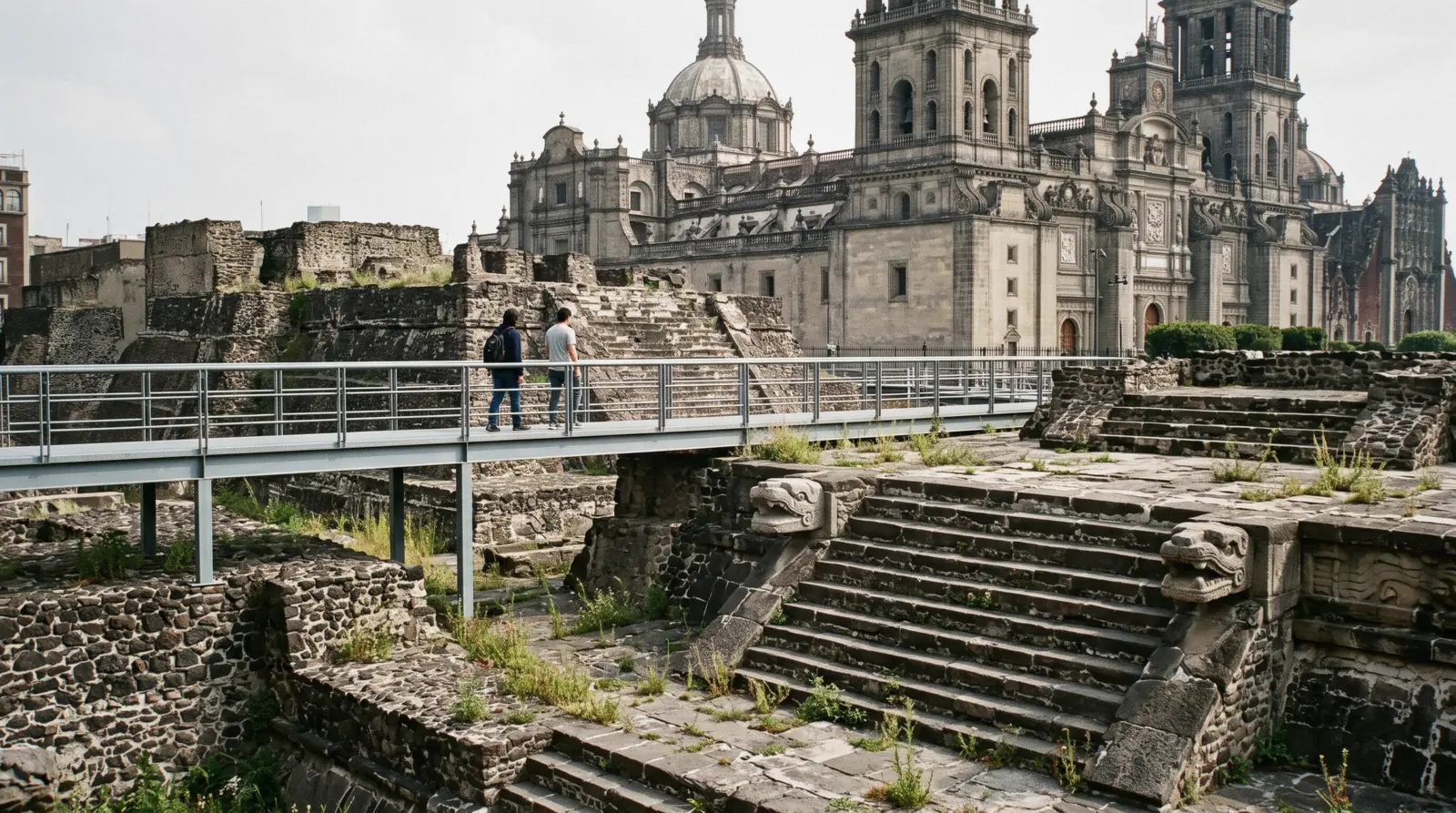
Start underground and work outwards. The Templo Mayor sits half-excavated beside the cathedral on the Zócalo, which is the point: the Spanish did not build near the Aztec capital, they built on top of it, and the two are stacked in one block you can walk in twenty minutes. Across the square the Palacio Nacional holds Diego Rivera's stairway mural of the whole of Mexican history — free, with a passport at the door, and closed more often than any other sight in this guide.
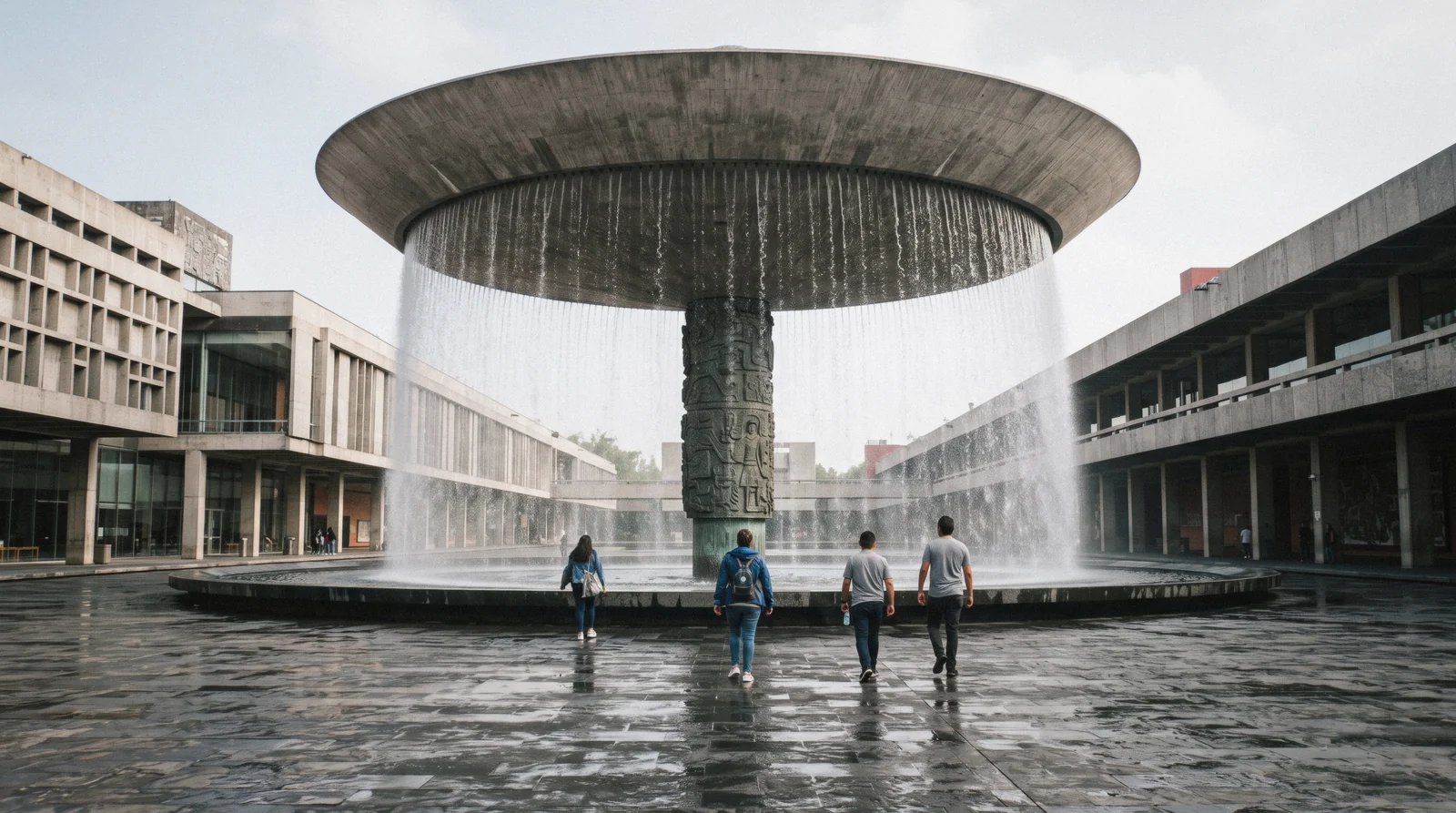
The National Museum of Anthropology is the one visitor who dislikes museums still talks about afterwards: twelve ground-floor halls, one per culture, and the Sun Stone at the centre of the Mexica room. Two kilometres away up its own hill, Chapultepec Castle is the only castle in the Americas to have housed actual monarchs, and its terrace looks straight down Paseo de la Reforma. They sit at either end of the same park, and most people do them on one day — in this order, because the museum takes longer than anyone plans for.
| Hours | Closed | Gate price | Our routing | |
|---|---|---|---|---|
| National Museum of Anthropology | Tue–Sun 09:00–18:00 | Mondays | MX$210 (about US$12.35) | 3 hours for the ground floor alone |
| Chapultepec Castle | Tue–Sun 09:00–17:00 | Every Monday of the year | MX$210 | 90 minutes, plus the 15-minute climb |
Coyoacán holds the Museo Frida Kahlo — the house she was born in and died in, MX$320 (about US$18.80), sold online only — and a market lunch that costs a tenth of that. Xochimilco is thirty minutes further south: the last working fragment of the Aztec lake, hired by the boat rather than the seat at an official MX$750 an hour (about US$44) for up to eighteen people. Two Aztec-era survivals, one afternoon, if you leave Coyoacán by two.

Teotihuacán was a city of perhaps 125,000 people that was already a ruin when the Aztecs found it and gave it its name. It opens daily 08:00–17:00 with the last entry at 16:30, which makes it the rare major sight that is open on a Monday. Go on the first bus or the early-access tour; by eleven the Avenue of the Dead has no shade and no shortage of company.
Official gate prices read on each venue's own site on 30 August 2026; platform prices are the GetYourGuide listings on the same day, converted at US$1 = MX$17.0. The right-hand column is the honest question: what does the extra money actually buy.
| Where you're going | Gate, foreign visitor | Gate, national or resident | Platform listing | What the extra buys |
|---|---|---|---|---|
| Teotihuacán | MX$210 (about US$12.35) | MX$105 | From US$29 entry only; US$68 with transport and a guide | Nothing at the gate — there is rarely a queue. The transport and the 07:00 start are the product |
| Anthropology Museum | MX$210 | MX$105 | From US$22.61 with a digital guide | A phone guide and a skipped ticket window; the museum publishes no audio guide of its own |
| Chapultepec Castle | MX$210 | MX$105 | From US$29 | The walk up the hill is still yours. Buy at the gate unless you want it paired with Anthropology |
| Museo Frida Kahlo | MX$320 (about US$18.80) | MX$160 | From US$32 | The slot itself. There is no box office, and summer weekends sell out days ahead |
| Xochimilco | MX$750 per boat per hour (about US$44) | Same for everyone | From US$41.51 a person | A boat you do not have to negotiate for, and a guide who does the talking |
Mexican nationals and foreign residents with proof pay the lower column at every INAH site since 1 January 2026, and enter free on Sundays. A non-resident foreign visitor pays full price on Sunday and shares the site with the crowd that came for the free day — the reasoning is on the tickets page.
Every card links to the operator's own page, where the calendar shows what is still open. Prices in US dollars as listed on 30 August 2026; the platform charges in your own currency at checkout.
from $32
Timed entry to the Casa Azul with a digital guide — the museum sells no tickets at the door, so this is a slot as much as a ticket.
Check Availability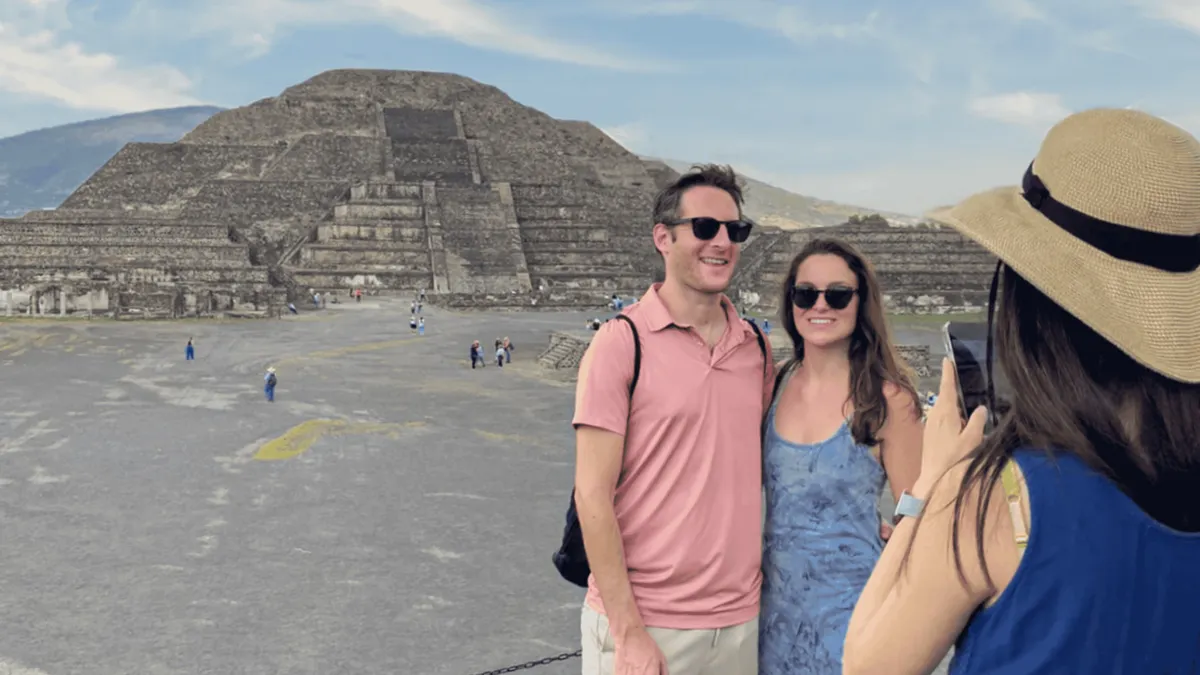 from $68
Early access at the gate before the coaches arrive, with transport from the centre and a licensed guide.
Check Availability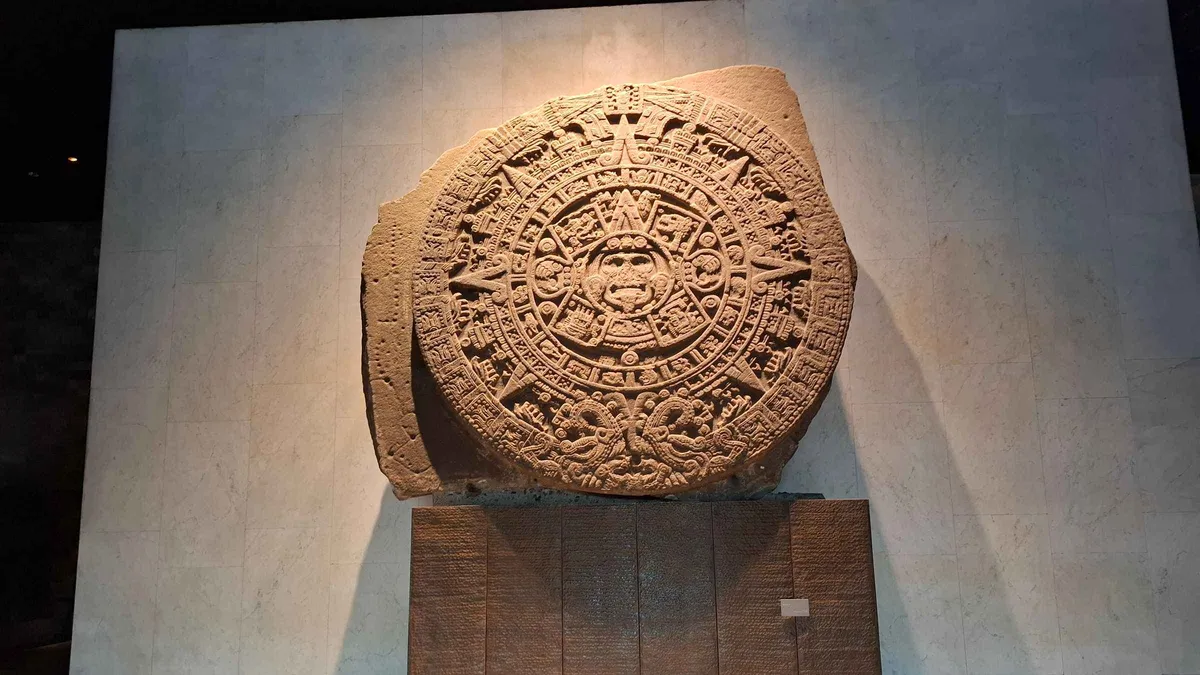 from $22.61
Entry ticket with a digital guide on your phone — the museum publishes no audio guide of its own.
Check Availability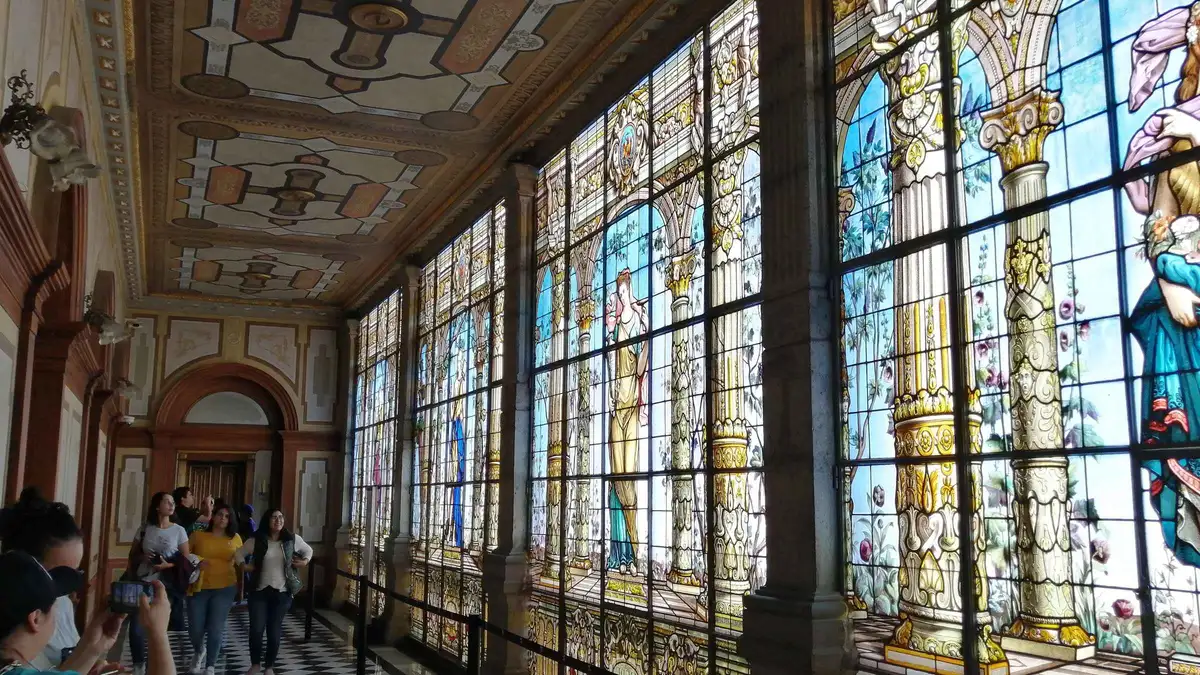 from $29
Skip-the-line entry to the castle on its hill above Chapultepec park; the walk up is still yours to make.
Check Availability from $41.51
A place on a shared trajinera with a guide, instead of negotiating a MX$750 boat at the embarcadero.
Check Availability from $65
Ringside evening at the lucha libre with tequila and a guide who explains the rules and the theatre.
Check Availability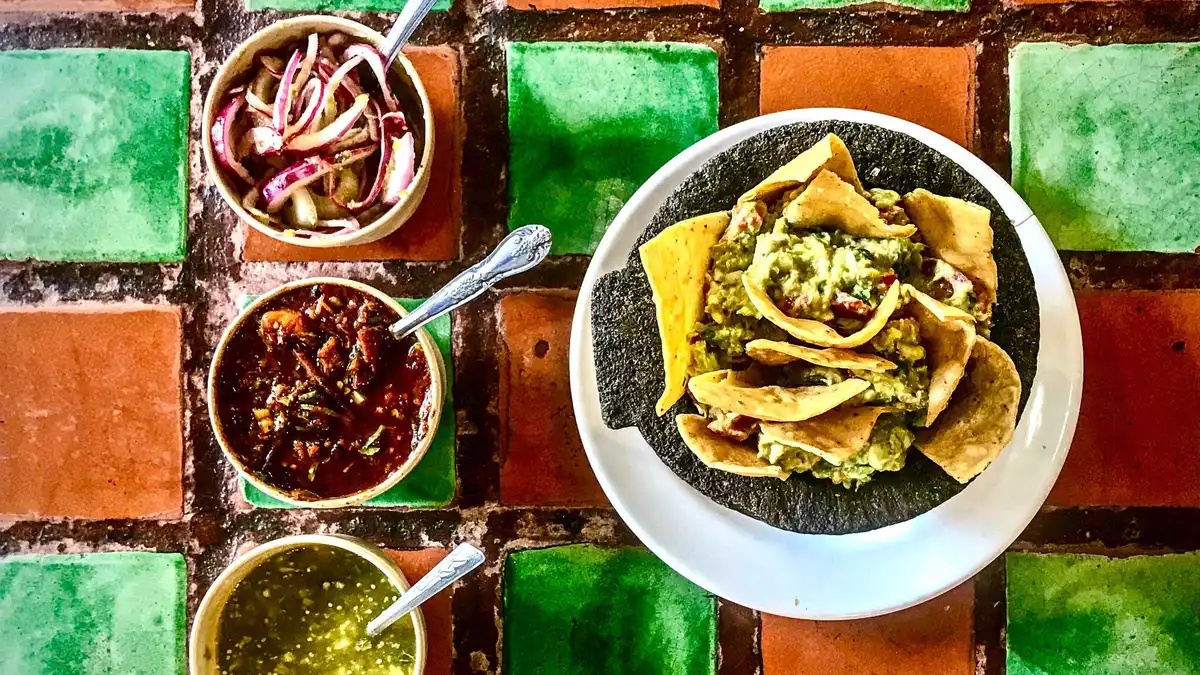 from $88.10
Seven tastings through the Centro Histórico, ending with you able to order for yourself.
Check Availability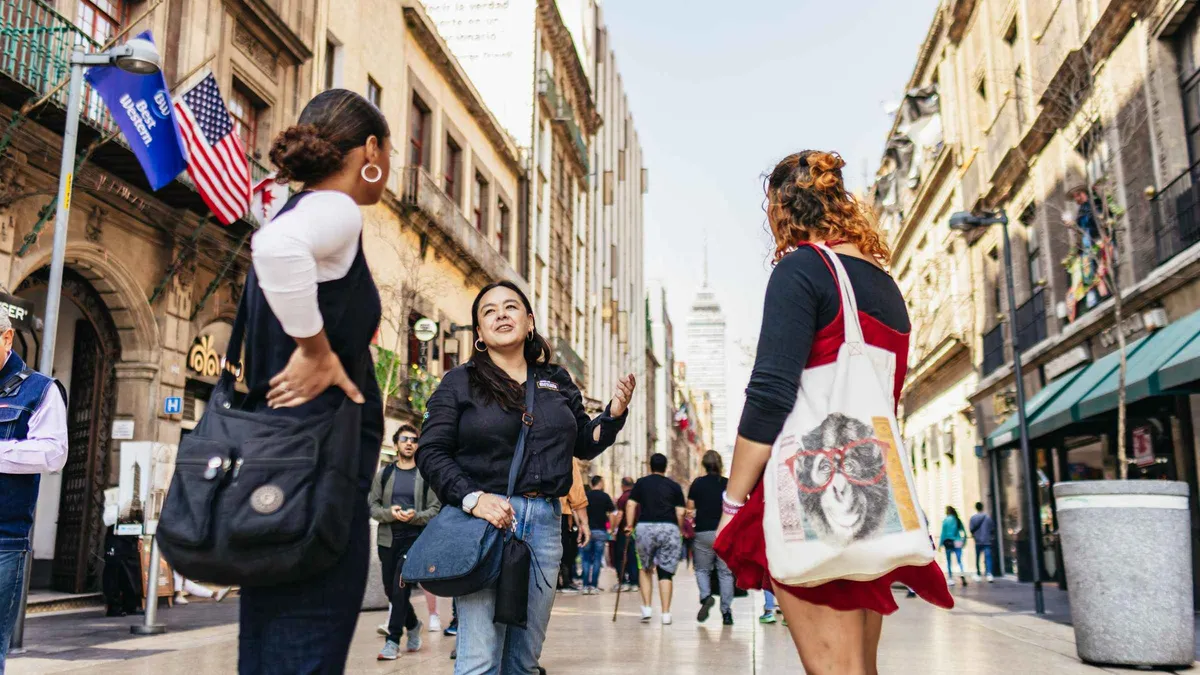 from $27.01
Three hours on foot through the Zócalo, Bellas Artes and the streets between them, with the history attached.
Check AvailabilityPrices, ratings and details are the platform's own. Dollar figures are the listed prices. The platform bills in your account's currency.
Our routing, built from the opening hours above and the walking distances between them — no venue here publishes a suggested visit length. Costs count entry only, at foreign-visitor prices.
| Length of stay | What fits | What you give up | Entry cost |
|---|---|---|---|
| 2 days | Centro Histórico and the Zócalo on one day; Chapultepec and Anthropology on the other | Coyoacán, Xochimilco and the pyramids — the whole south and the day trip | About MX$515 a person |
| 3 days | Add Coyoacán and the Casa Azul, with Xochimilco in the afternoon | Teotihuacán, unless you drop the castle for it | About MX$835 plus MX$750 a boat |
| 4 days | The three above plus Teotihuacán, on the Monday when the museums are shut | Very little that a first visit misses | About MX$1,045 plus the boat |
| 5–7 days | Puebla or Tepoztlán, a lucha libre night, a market morning, a second museum day | Nothing — this is when the city stops being a checklist | Depends on the day trip |
Day-by-day versions with the hours filled in: one day, two days, three days.
Each itinerary places the timed entries in the hour they work best, and says what to do when it rains at four.
Centro Histórico on foot, the Anthropology Museum after lunch, Bellas Artes from the café terrace at dusk.
About 7 km walkingDay one in the centre; day two in Chapultepec, with the castle at opening and the museum after.
Two MX$210 entriesAdds Coyoacán and Xochimilco, timed so the boat leaves before the afternoon rain.
Casa Azul booked ahead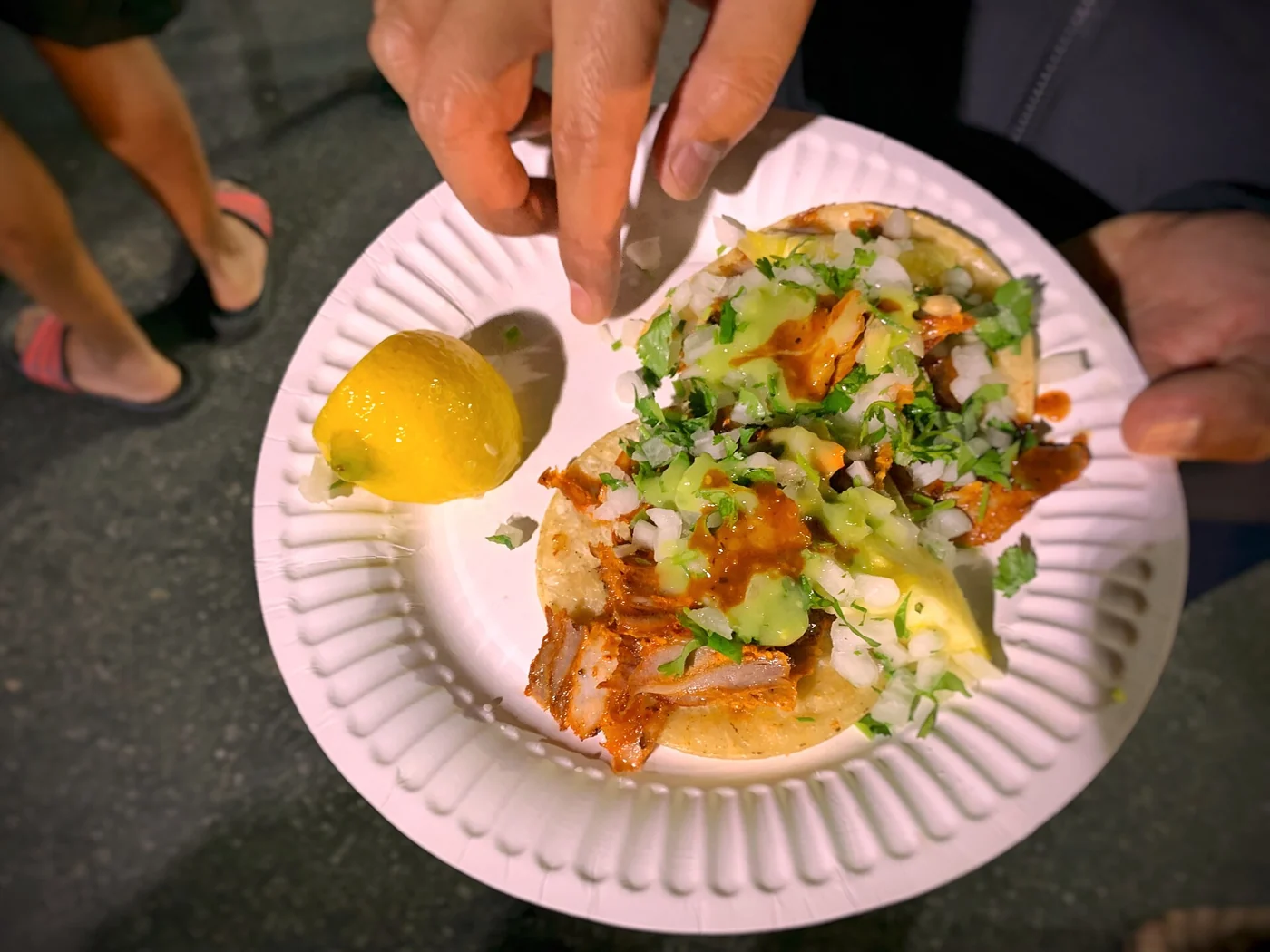
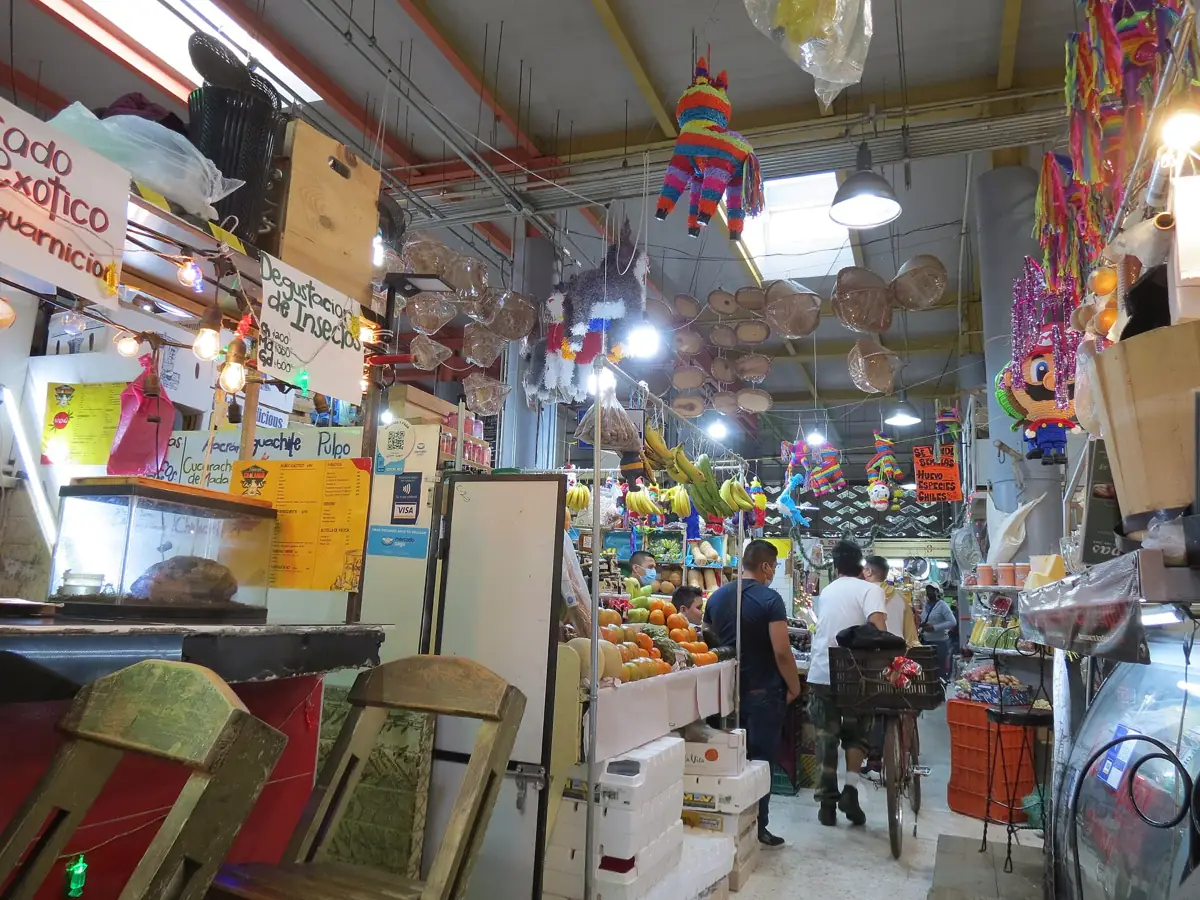
Mexico City is the rare capital where the cheapest food is also the food people fly in for. What follows is how the day is shaped, not a restaurant list — named places, with the guide that listed them, are on where to eat.
Breakfast is late and long, lunch — la comida — lands between two and four and is the real meal of the day, and dinner is small and after eight. Restaurants that look empty at seven are not bad; they are simply on local time. If you have booked a table for 19:00 because that is when you eat at home, you will have the room to yourself.
Choose a stall with a queue of people who work nearby and a comal that never goes cold. Tacos al pastor come off a vertical spit that has been turning since noon; a stand with no queue has meat that has been sitting. Carry small notes — MX$20 and MX$50 — because a taquero at eleven at night will not break MX$500, and almost nowhere on the street takes a card.
On a first visit, when the language and the sheer number of unfamiliar dishes are the barrier rather than the money. The Centro food tour with seven tastings and the market tour through La Merced and Sonora both end with you able to order alone for the rest of the week, which is the actual product. After that, the markets and taquerías cost a fraction of it.
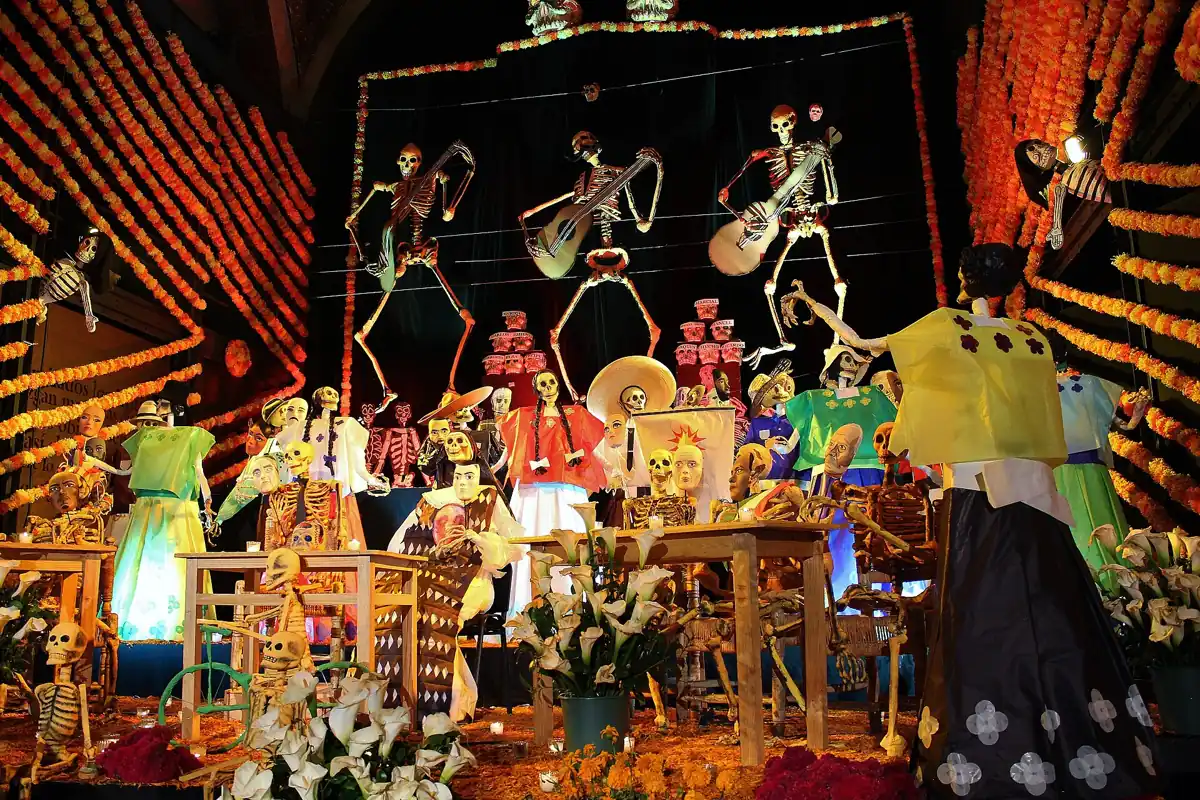
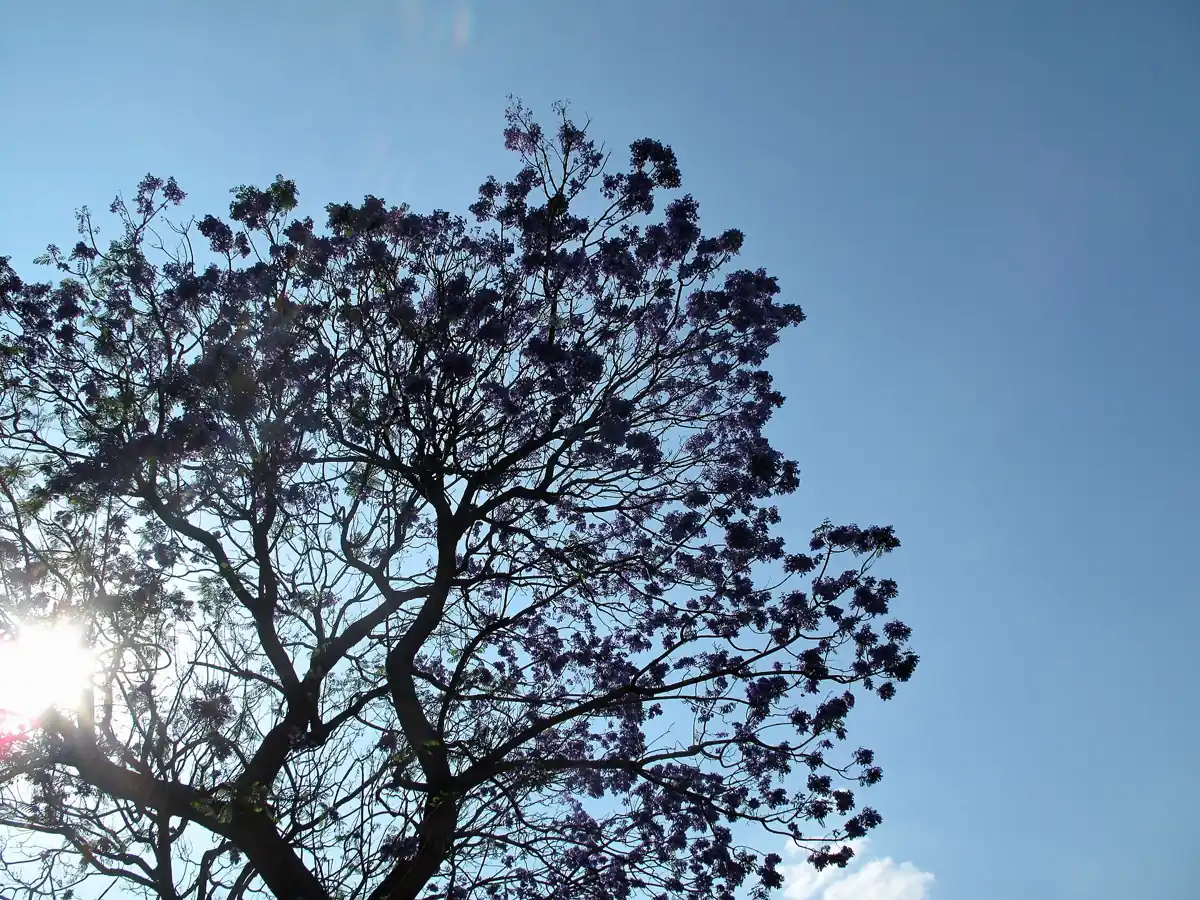
Four dates fill the hotels and change the city's mood. Two of them are the reason to come; one of them is the reason to book six months out.
Día de Muertos, 1–2 November. The cemeteries, the Zócalo installation and the parade the city invented after a James Bond film put one on screen. Rooms in Centro, Roma and Condesa are the most expensive of the year, and the Xochimilco boats run themed night trips. Book flights and rooms in spring, not in September.
El Grito, the night of 15 September. The president rings the bell on the Palacio Nacional balcony before a packed Zócalo at eleven. The square is closed off from the afternoon, the Centro museums shut early, and 16 September is a national holiday on which the INAH sites close.
Semana Santa, the week before Easter. Mexican families travel, so the city itself empties and the roads to Teotihuacán, Puebla and Tepoztlán fill. It is one of the best weeks of the year to have the Centro to yourself.
The rainy season, June to September. Not a date but a pattern: rain most afternoons, described in the chart below.
Five failures that show up again and again in visitor reports, and what each one costs you.
Arriving without a Casa Azul ticket. The museum states it plainly: no contamos con venta en taquilla — there is no ticket window. Every entry is bought online, for a named time, and summer weekends go days ahead. People still travel across the city to a closed door. Buy first, plan the day second.
Believing the free Sunday applies to you. It does not: since 1 January 2026 the Sunday exemption at INAH sites covers Mexican nationals and foreign residents. A visiting foreigner pays MX$210 and gets the busiest day of the week for the money.
Treating altitude as a rumour. The city sits at about 2,240 metres. The first day at altitude is where the headache, the shortened breath on the castle hill and the two-drink hangover come from. Slow the first afternoon, drink more water than feels sensible, and leave the climb at Teotihuacán for day two or three.
Planning the wrong day around the rain. From June to September it rains on roughly two days in three, and it does it after four in the afternoon. Museums in the morning, markets at midday, and something indoors at five is not a rainy-day plan, it is the plan.
Hailing a taxi in the street. The advice from every consular source and every resident is the same: use an app, or the sitio ranks with a phone number. The safety page sets out what the US State Department's Level 2 advisory actually says about this city, which is less alarming and more specific than the internet's version of it.
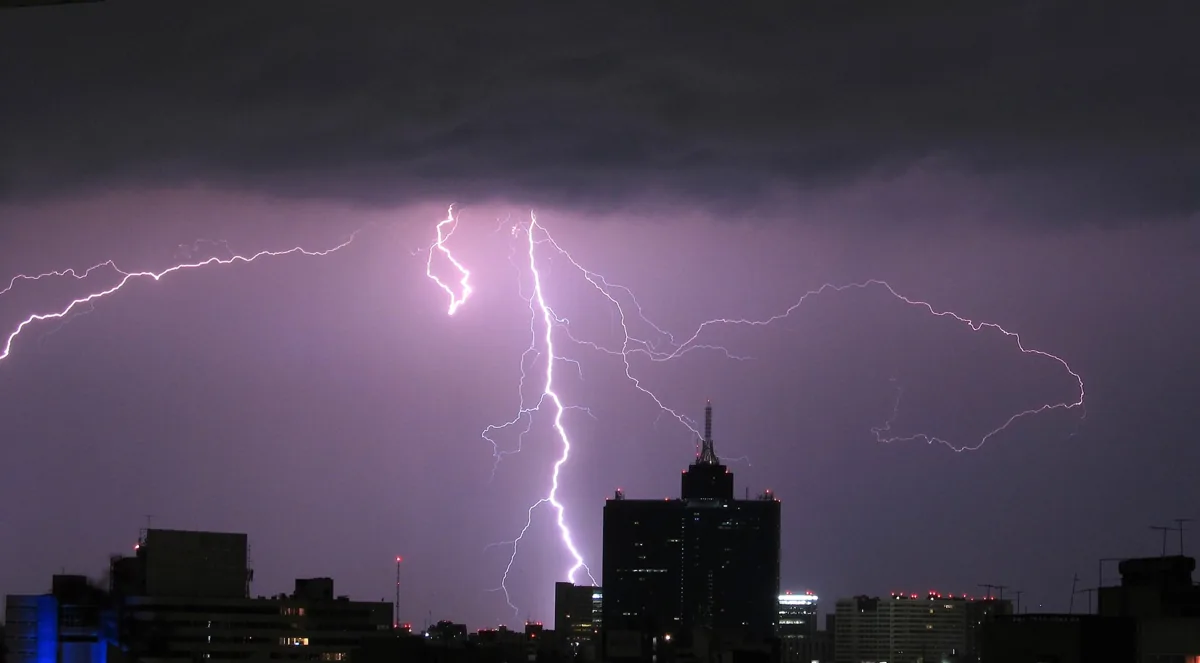
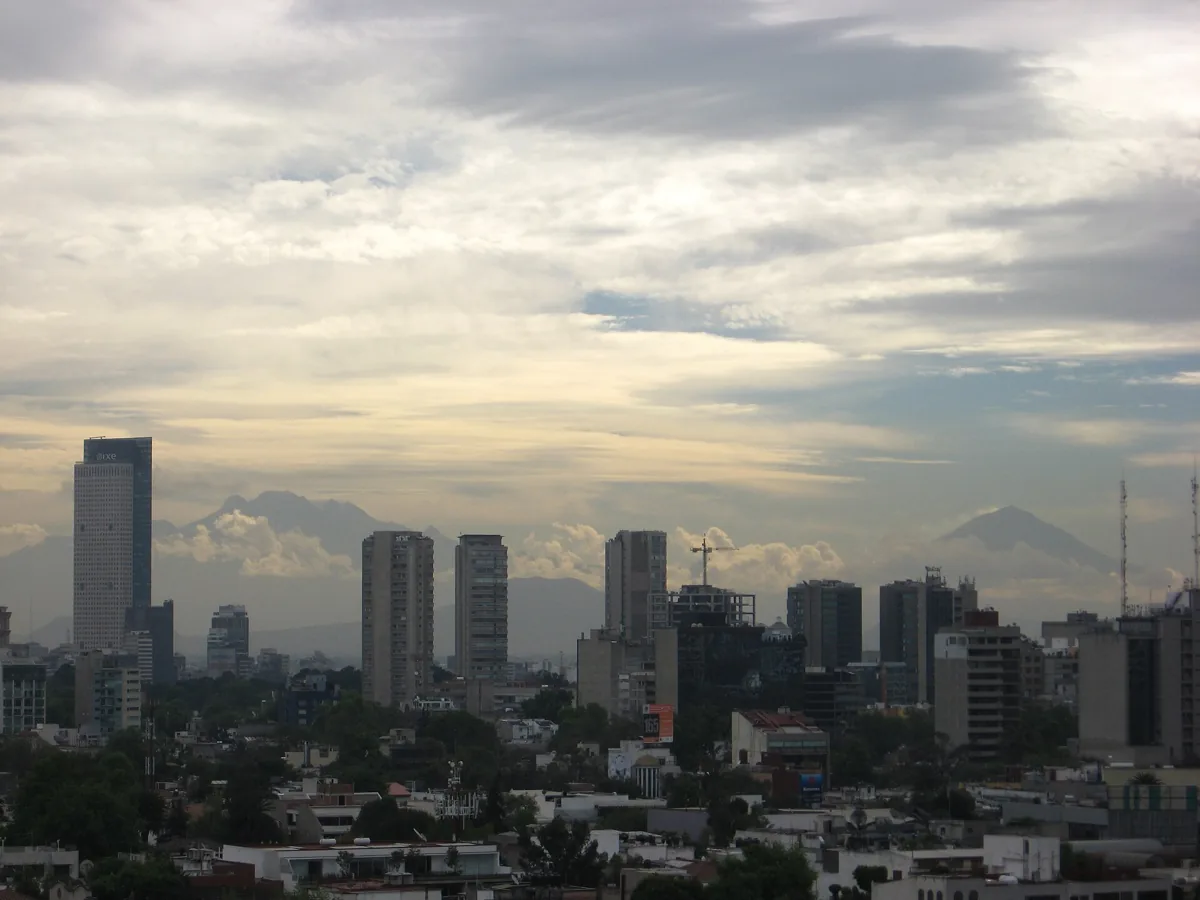
Average daily high temperature by month in Celsius with the Fahrenheit reading underneath, computed from the Open-Meteo ERA5 reanalysis for 19.43 N, 99.13 W over 1995–2024 on 30 August 2026. The city has no hot season — the warmest month averages 25.8 °C — so the calendar is decided by rain, not heat.
Averages, not forecasts. The full monthly table with rainfall and rainy days is directly below, and the month-by-month reasoning has its own page.
Thirty-year averages from the Open-Meteo ERA5 archive for the city centre, 1 January 1995 to 31 December 2024, computed on 30 August 2026. A rainy day counts any day with at least 1 mm.
| Month | Average high | Average low | Rain | Rainy days |
|---|---|---|---|---|
| January | 20.6°C (69°F) | 6.9°C (44°F) | 18 mm | 3.7 |
| February | 22.8°C (73°F) | 7.9°C (46°F) | 17 mm | 3.4 |
| March | 24.6°C (76°F) | 9.4°C (49°F) | 28 mm | 5.8 |
| April | 25.8°C (78°F) | 11.3°C (52°F) | 45 mm | 8.5 |
| May | 25.6°C (78°F) | 12.3°C (54°F) | 69 mm | 11.6 |
| June | 23.4°C (74°F) | 12.9°C (55°F) | 148 mm | 18.0 |
| July | 21.6°C (71°F) | 12.2°C (54°F) | 180 mm | 23.9 |
| August | 21.6°C (71°F) | 12.4°C (54°F) | 183 mm | 23.1 |
| September | 20.9°C (70°F) | 12.2°C (54°F) | 186 mm | 21.3 |
| October | 20.7°C (69°F) | 10.5°C (51°F) | 91 mm | 12.8 |
| November | 20.8°C (69°F) | 8.7°C (48°F) | 28 mm | 5.9 |
| December | 20.6°C (69°F) | 7.5°C (45°F) | 15 mm | 2.8 |
Evenings are cold for the latitude — a 7 °C January night at 2,240 metres needs a real jacket, which is the packing mistake most first visits make.
Distances here are big and traffic is worse than it looks, so the choice of transport decides how much of a day is spent moving. Fares below are the operators' published tariffs; we note where we could not read the official page ourselves.
The Metro is the fastest way across the centre and the cheapest urban transport in any large capital, and it is also where pickpocketing is reported most. Ride it outside the 07:00–09:00 and 18:00–20:00 crushes, keep a bag in front of you, and use the women-and-children carriages at the front if they suit you. The Metrobús runs in its own lane down Insurgentes and Reforma, which is why it beats a car on the same route.
| How you move | Published fare | Where it wins | Where it fails |
|---|---|---|---|
| Metro | MX$5 a trip, transfers free | Centro, Coyoacán, the north — end to end in under an hour | Rush hour, luggage, late night on the outer lines |
| Metrobús | MX$6 a trip | Insurgentes and Reforma, and the airport line with luggage racks | Anything crossing the city east to west |
| Cablebús | MX$7 a trip | The cable-car lines over the hillside boroughs, a ride worth taking for itself | It goes where visitors rarely need to go |
| Uber or Didi | Metered, app-priced | Nights, rain, Coyoacán to Xochimilco, anything with bags | Weekday afternoons, when the Metro is twice as fast |
| On foot | Free | Centro, Roma, Condesa, Coyoacán — all four are walking districts | Between those districts; they are kilometres apart |
A card called Movilidad Integrada, sold at station machines for about MX$15 plus your first top-up, covers the Metro, Metrobús, Cablebús and trolleybus. Buy one on arrival rather than queueing for single fares each time.
One honest note on sourcing: the city operators' own websites refused every request from us on 30 August 2026, so the fares above are their published 2026 tariffs as carried by the Mexican press, not figures we read on metro.cdmx.gob.mx ourselves. They are stable, they have not moved in years, and we will replace this note with a direct citation the moment the site answers. Getting around carries the detail.
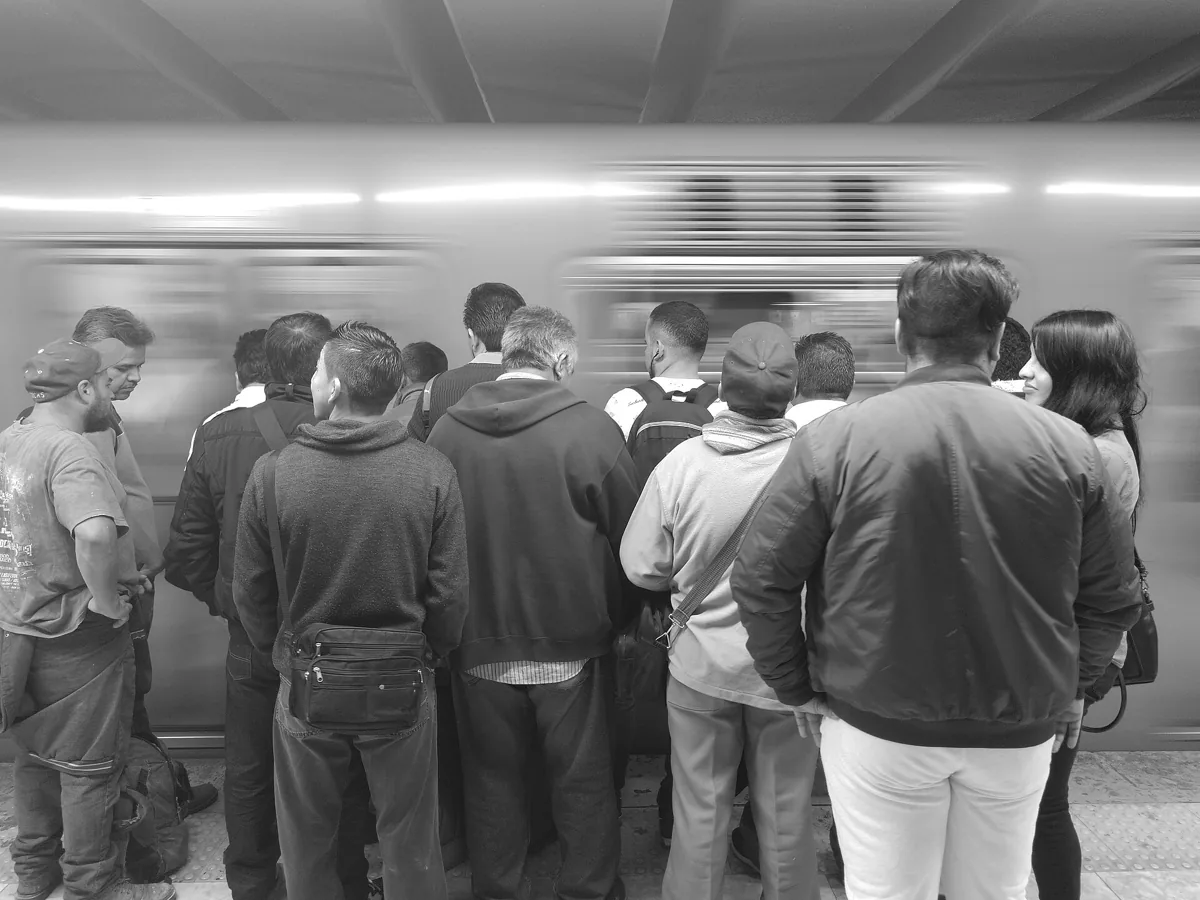
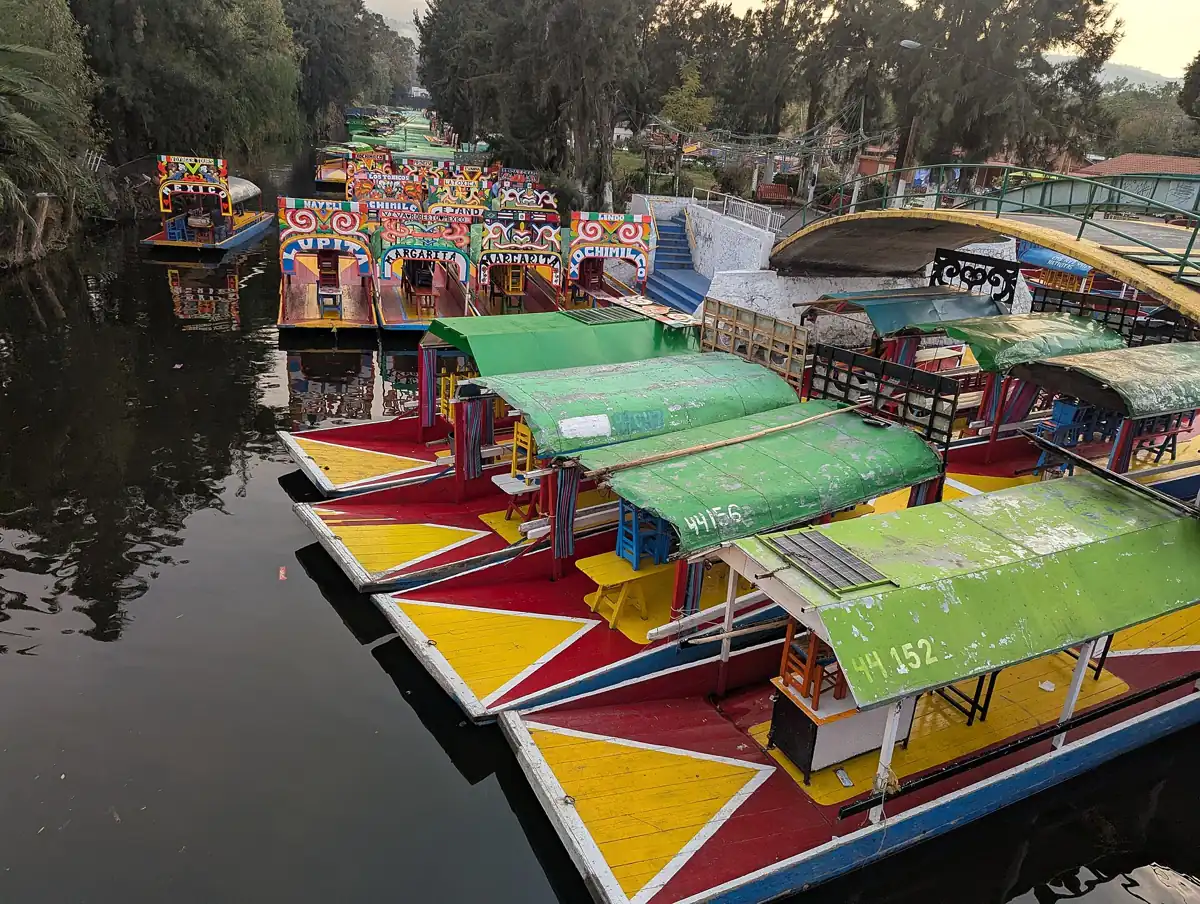
Built from the prices in this guide rather than from a budget survey: entries at foreign-visitor rates read on 30 August 2026, transport at the published fares above, food at the range you actually pay in the districts visitors stay in. Dollar figures at US$1 = MX$17.0.
The pattern is unusual: the sights are cheap and the restaurants can be as expensive as anywhere in Europe, so the spread between a careful day and a comfortable one is almost entirely food and taxis.
| A day made of | Careful | Comfortable | Note |
|---|---|---|---|
| Two museum entries | MX$420 (about US$25) | MX$420 | The same for everyone — MX$210 each at INAH sites |
| Getting around | MX$25 on the Metro | MX$400 in app cars | Four app rides across the centre is roughly this |
| Eating | MX$250 at markets and taquerías | MX$1,200 with a sit-down comida and drinks | Street tacos run MX$20–35 each |
| Day total, entries included | About MX$700 (US$41) | About MX$2,000 (US$118) | Excludes the room and any tour |
Two things are worth knowing before the arithmetic: tipping is expected at 10–15% in restaurants and is often not on the bill, and cash still rules on the street, in markets and at the Xochimilco embarcaderos, where a boat is MX$750 an hour whether there are two of you or eighteen. The full breakdown, with what a room costs by district, is on what Mexico City costs.
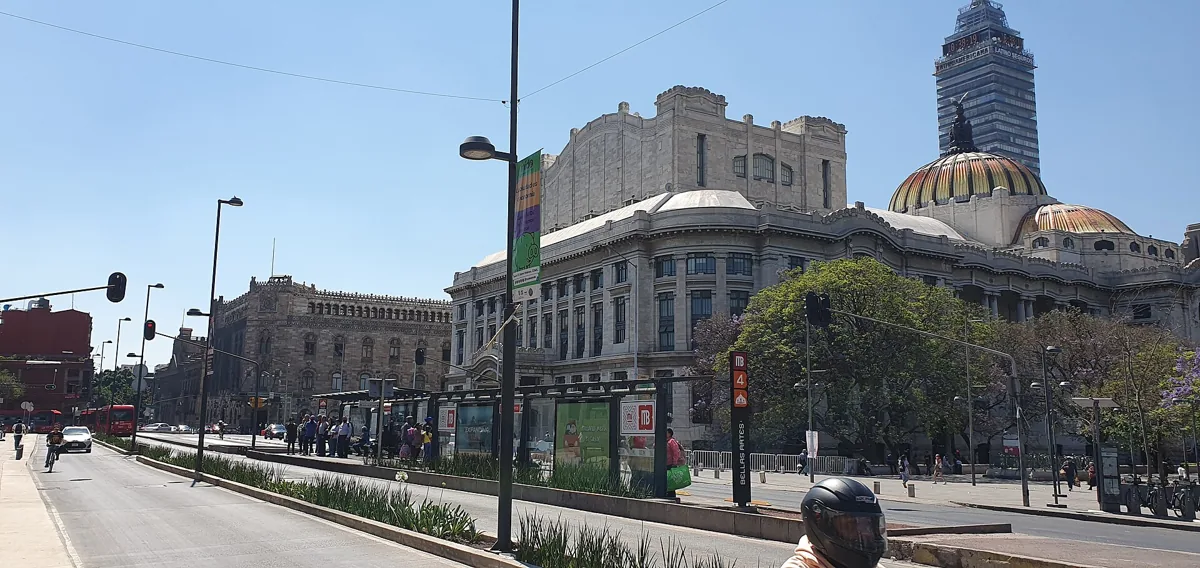
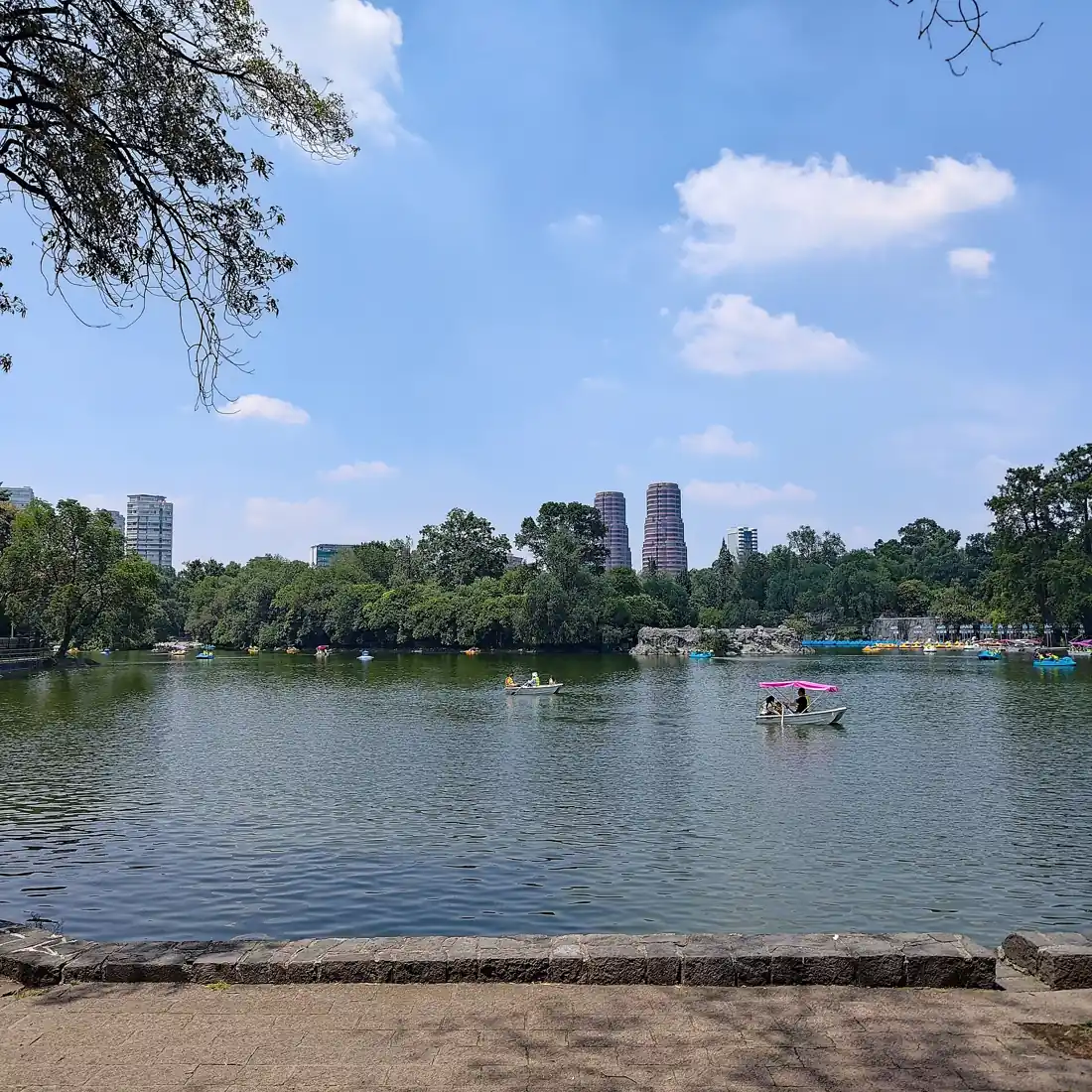
Two days of the week decide a four-day itinerary here more than anything else.
Monday. The Anthropology Museum, Chapultepec Castle, the Museo Frida Kahlo, the Palacio de Bellas Artes and the Templo Mayor museum are all shut. What stays open: Teotihuacán, open daily 08:00–17:00, the Basílica de Guadalupe, 06:00 to 21:00 every day, the Museo Soumaya, free and open 365 days, and the streets of Coyoacán and Roma. Give Monday to the pyramids and the problem disappears.
Sunday. Every INAH museum and zone is free to Mexican nationals and foreign residents, which makes it the busiest day of the week at Anthropology and the castle; a foreign visitor pays the full MX$210 for the privilege of the crowd. The Palacio de Bellas Artes is the exception worth using — its museum is free on Sunday to everyone, at MX$95 saved. Sunday is also when Paseo de la Reforma closes to cars until 14:00 and the city cycles down the middle of it. The full closure calendar has the public holidays as well.
The excursions that fit a first visit, priced as listed on 30 August 2026. Teotihuacán is the one nearly everyone takes; the rest are for a stay of five days or more.
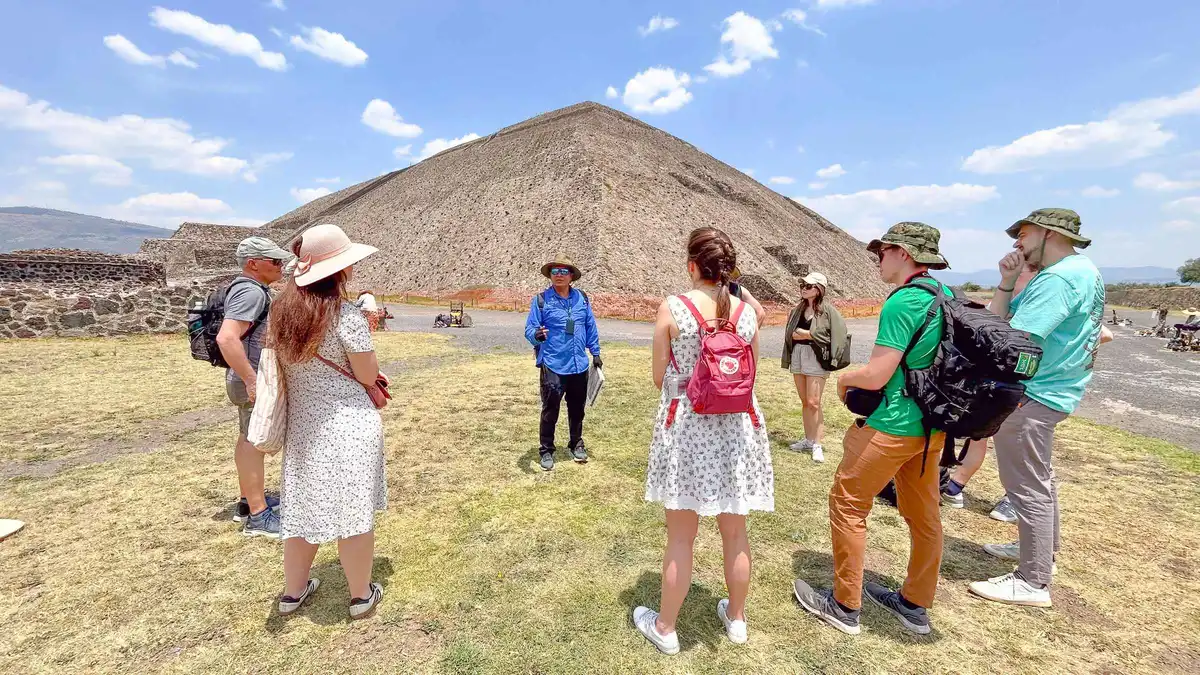 from $68
Full day to the pyramids with the Basílica de Guadalupe and lunch — the version most first visits take.
Check Availability
from $162
Balloon flight over the pyramids at sunrise, with the option to add the guided site visit afterwards.
Check Availability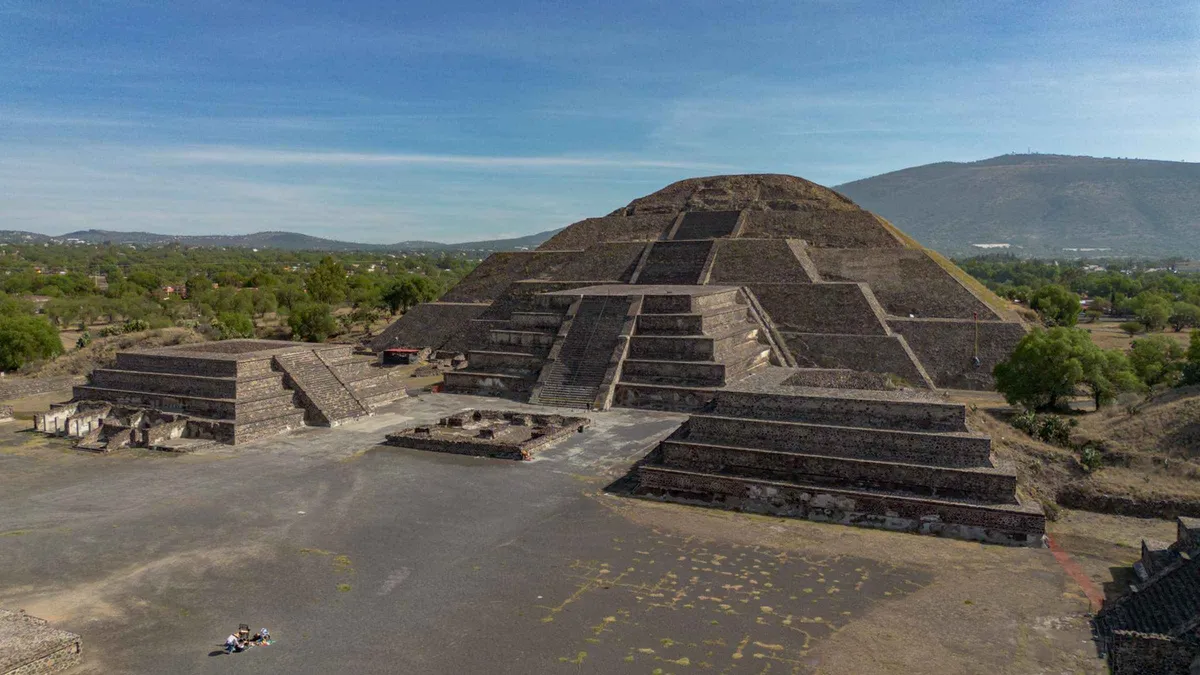 from $29
Entry ticket only, delivered to your phone; the gate price is MX$210, so read the comparison before you buy.
Check Availability from $36.39
Mezcal tasting on the canals, an afternoon boat with drinks and music rather than a sightseeing run.
Check AvailabilityPrices, ratings and details are the platform's own. Dollar figures are the listed prices. The platform bills in your account's currency.
In a city this size the district decides your commute, your dinners and how safe the walk home feels — the hotel is the smaller decision.
Centro Histórico puts you inside the sights and empties out after nine, which some people like and some do not. Roma Norte and Condesa are the tree-lined, restaurant-dense, walkable choice most first visits are happiest with, twenty minutes by Metrobús from the centre. Polanco is the expensive, quiet, safe-feeling one, next to Chapultepec and the Anthropology Museum. Coyoacán is a village inside the city, forty minutes out, and better as a day than as a base. The comparison with rates by district is on where to stay.
The things visitors ask before they book, answered from the pages that own them.
The National Museum of Anthropology, the pyramids of Teotihuacán an hour outside it, the Centro Histórico around the Zócalo, the Casa Azul in Coyoacán and the trajineras of Xochimilco. Everything else is an addition to those five. The sights, ranked.
The US State Department rates it Level 2, the same as Paris and Rome. What actually goes wrong is petty theft on the Metro and unlicensed street taxis, so bags go in front and rides go through an app. The advisory, quoted.
Almost every museum, including the four big INAH sites and the Casa Azul. Teotihuacán, the Basílica de Guadalupe, the Museo Soumaya and the whole outdoor city stay open, so Monday is the pyramids' day. The full Monday list.
October and November: the rain has stopped and the air is washed. November to April is the dry half of the year; June to September rains after 16:00 most days and the mornings are clear. Month by month.
About MX$700 (US$41) on the Metro with market lunches and about MX$2,000 (US$118) with app cars and sit-down meals, entries included and the room excluded. The museums are the cheap part at MX$210. Three budgets, itemised.
No. Autobuses Teotihuacán run from Terminal del Norte from about 06:00 for MX$52–60 each way and the gate charges MX$210. A coach tour buys the transport and a guide, not the entry; the early-access tours are the ones that beat the crowd. Every tour compared.
On the evidence of what it holds: the National Museum of Anthropology is one of the great museums anywhere, Teotihuacán is an hour away, and the food is a UNESCO-listed cuisine you can eat for MX$30 a taco. The honest caveats are size and altitude — 2,240 metres, and districts kilometres apart — which is why this guide leads with hours and distances rather than adjectives.
Four is the working minimum for the centre, Chapultepec, Coyoacán with Xochimilco, and Teotihuacán; three drops the pyramids or the castle. The day-by-day routes place the timed entries in the hours they work, and the table above shows what each length of stay gives up.
At INAH sites, yes, and since 1 January 2026 the gap is exactly double: MX$210 for a non-resident foreign visitor against MX$105 for a Mexican national or a foreign resident with proof, with the Sunday exemption applying only to the second group. Non-INAH venues price the same for everyone — the Palacio de Bellas Artes museum is MX$95 and free on Sundays to all. The whole list is on the tickets page.
At about 2,240 metres, most people notice it as shortness of breath on stairs, a first-night headache and alcohol hitting harder than usual, rather than as altitude sickness. Take the first afternoon slowly, drink more water than feels necessary, and leave the Teotihuacán walk — two kilometres of open avenue at 2,300 metres — for day two or later.
English is spoken in Polanco, Roma, Condesa and at the main museums, and much less at markets, on the street and in taxis; a phone translator covers the gap. Cards work in restaurants and shops, but markets, street stalls and the Xochimilco boats at MX$750 an hour are cash, and small notes matter more than the total.
Three walk-throughs recorded in the past year, useful for the scale of the place and the pace of the streets before you arrive.
A route through the main districts, filmed at street level.
Video: Martijn Around The WorldThirty practical points, most of them about transport, money and altitude.
Video: Happy to WanderHow the Metro, the Metrobús and the app cars actually work day to day.
Video: Wanderlust WellmanVideos load from YouTube only when you press play.
The office, phone and email above belong to the city's own visitor service, published on the official tourism site and checked on 2026-08-30 — they are not this site's contact details. To reach us, use the contact page.